The Intersection of Education and Gaming: Transforming Learning in 2026
Introduction
As we progress through 2026, the relationship between education and gaming is more intertwined than ever. No longer viewed as mere entertainment, games are increasingly recognized as powerful tools for educational purposes. This article explores how gaming is shaping the educational landscape, enhancing learning experiences, and preparing students for the future.

The Rise of Educational Gaming
In recent years, educational gaming has emerged as a significant trend, with more developers creating games specifically designed to teach various subjects. These games not only engage students but also promote critical thinking and problem-solving skills.
Benefits of Educational Games
- Engagement: Games capture students’ attention in ways traditional teaching methods often cannot.
- Interactive Learning: Players actively participate in the learning process, allowing for better retention of information.
- Skill Development: Many educational games are designed to develop soft skills such as teamwork, time management, and communication.
- Accessibility: Games can often break barriers to learning, providing opportunities for students with different learning abilities.
Popular Educational Games of 2026
Several educational games have gained popularity in 2026, showcasing innovative approaches to learning:
- Math Quest: An adventure game where players solve math problems to progress through levels, helping them improve their arithmetic skills in a fun way.
- History Explorer: This game allows players to travel through time to learn about significant historical events, fostering a deeper understanding of history.
- Science Simulation: Players can experiment with virtual science labs, allowing them to conduct complex experiments and understand scientific concepts safely.
Integrating Game Mechanics into Learning Environments
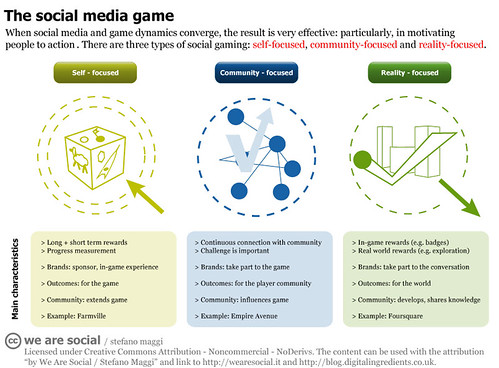
Beyond standalone educational games, traditional educational settings are beginning to incorporate game mechanics to enhance learning. This approach, known as gamification, utilizes elements of game design in non-game contexts.
Key Gamification Strategies
- Point Systems: Students earn points for completing assignments, fostering a sense of achievement.
- Leaderboards: Friendly competition among students can motivate them to improve their performance.
- Badges and Rewards: Digital badges recognize achievements, encouraging students to strive for excellence.
Technological Advancements Supporting Educational Gaming
The advancements in technology are crucial in the growth of educational gaming. In 2026, several technologies are enhancing the educational gaming experience:
- Virtual Reality (VR): VR creates immersive learning environments where students can explore concepts in a three-dimensional space.
- Augmented Reality (AR): AR enhances real-world interactions with digital overlays, making learning interactive and visually engaging.
- Artificial Intelligence (AI): AI-driven personalized learning experiences adapt to the needs of individual students, making education more accessible.
The Future of Educational Gaming
Looking ahead, the potential of educational gaming is boundless. As technology continues to advance, the ways in which games can be leveraged for education will also evolve. Here are some predictions for the future:
- Increased Collaboration: Expect more collaborative games where students work together, encouraging teamwork and communication.
- Global Learning Platforms: Educational games will connect students across the globe, allowing them to share knowledge and solve problems together.
- Curriculum Integration: Schools will likely integrate gaming into the core curriculum, making it a standard part of the educational experience.
Conclusion
The integration of gaming into education transforms how students learn and engage with material. As we move through 2026, the intersection of education and gaming is an exciting frontier that promises to enhance learning experiences, foster collaboration, and prepare students for a rapidly changing world. The potential for educational gaming is immense, and with ongoing technological advancements, we can expect to see even more innovative and effective uses of games in the educational context.