The Evolution of Player Communities: Redefining Social Interaction in Gaming by 2026
Understanding the Shift in Player Communities
As we navigate through 2026, the landscape of gaming communities has undergone a significant transformation. No longer just a space for casual interactions, these communities are evolving into vital social ecosystems that shape player experiences.
The Traditional Gaming Community
Historically, player communities were primarily centered around forums and chat rooms. Players would gather online to discuss strategies, share experiences, and sometimes forge friendships. However, with the advent of new technologies and social media platforms, this dynamic is changing rapidly.
Emergence of New Platforms
Today, platforms like Discord, Twitch, and even TikTok have become essential tools for community engagement. They foster not only communication but also a sense of belonging. Players can connect over shared interests in real-time, participate in live events, and engage with content creators in more interactive ways.
The Role of Live Streaming
Live streaming has become a cornerstone of gaming culture. Streamers are no longer just entertainers; they play a pivotal role in shaping community discourse. Viewers often engage in chats during streams, creating a participatory experience that blurs the lines between entertainment and community.
- Interactive Events: Live Q&As, in-game competitions, and community-led events highlight how streaming fosters community building.
- Content Creation: Players now have the opportunity to create and share their own content, leading to a more vibrant and varied community culture.
Inclusivity and Diversity
Modern gaming communities are also making strides toward inclusivity. With a broader understanding of diversity, games are becoming more accessible, allowing players from various backgrounds to engage. Initiatives aimed at fostering inclusive environments are gaining traction, promoting diverse representation in gaming. Also read: WAK89 for more insights.
The Impact of Social Media
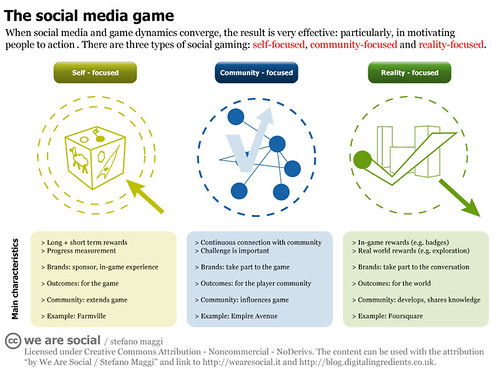
Social media platforms are crucial in building communities around games and genres. These platforms serve as conduits for sharing achievements, organizing gaming sessions, and discussing game mechanics. For instance, hashtags on Twitter or Instagram allow players to find like-minded individuals easily.
Peer Support and Mental Health
Beyond just gaming, these communities offer emotional support. Players often turn to their communities for help with mental health challenges. Support groups within gaming forums are now commonplace, providing spaces for players to discuss their experiences and find camaraderie.
The Shift to Fostering Connection
As player expectations evolve, so too do the structures of gaming communities. Developers are increasingly recognizing the importance of community engagement. Games now include features that promote social interaction, such as guilds, clans, and cooperative gameplay modes.
- Cooperative Play: Games that emphasize teamwork and collaboration strengthen community bonds.
- Shared Goals: Players are more inclined to join forces towards common objectives, enhancing their social interactions.
The Future of Player Communities
Looking ahead, the future of gaming communities will likely see further integration with emerging technologies:
- Virtual Reality: As VR technology becomes more accessible, we can expect communities to form in more immersive environments.
- Augmented Reality: Games that utilize AR could lead to real-world community gatherings, further blurring the lines between virtual and physical spaces.
Conclusion
As we move further into 2026, player communities will continue to redefine social interaction in gaming. The emphasis on inclusivity, emotional support, and shared experiences indicates a shift towards deeper, more meaningful connections among players. In this ever-evolving landscape, the bonds forged within these communities will undoubtedly influence the future trajectory of gaming culture.