The Changing Landscape of Game Communities in 2026: Trends and Insights
Introduction
In 2026, the world of gaming is not just confined to the screen; it extends into thriving communities that shape gaming culture, influence game development, and enhance player experience. As games continue to evolve, so do the communities surrounding them, transforming how players interact, share content, and build relationships. In this article, we will explore the dynamics of game communities in 2026, their importance, and the trends that are driving change.

The Role of Communities in Gaming
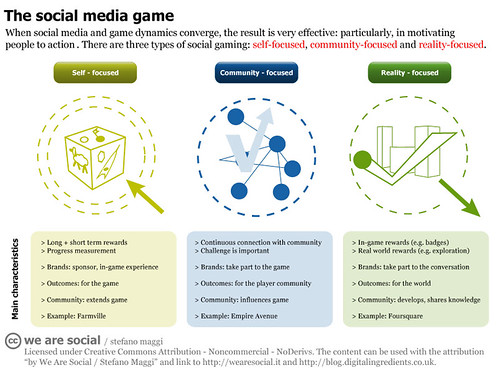
Game communities serve as the backbone of the gaming ecosystem. They provide players with a platform to share experiences, seek advice, and collaborate on various aspects of gaming. Here are some reasons why communities are essential:
- Support and Guidance: New players often rely on seasoned gamers for tips, strategies, and troubleshooting.
- Creative Collaboration: Communities foster environments where players can create mods, fan art, and share gameplay experiences.
- Social Interaction: Gaming communities allow players to build friendships and create social networks, enhancing the overall gaming experience.
- Feedback Loops: Developers often engage with communities to gather feedback, which can lead to improvements and updates in games.
Types of Gaming Communities
The diversity in gaming communities is immense, with different types catering to various interests and needs. Some prominent community types include:
- Forums and Message Boards: These are traditional platforms where players discuss strategies, share stories, and provide feedback on games.
- Social Media Groups: Platforms like Discord and Reddit have become hubs for gamers seeking real-time interaction and community bonding.
- Streaming Communities: With the rise of platforms like Twitch and YouTube Gaming, streaming not only showcases gameplay but also creates interactive communities around personalities.
- Competitive Teams: Organizations and clans that focus on team-based play in competitive gaming often foster strong community ties.
Current Trends Influencing Game Communities
Several trends are shaping the way gaming communities operate and interact in 2026:
1. Integration of Virtual Reality (VR) and Augmented Reality (AR)
The introduction of VR and AR technologies has significantly enhanced the community experience, offering immersive environments where players can physically interact with one another.
2. Cross-Platform Interaction
With the ability to play across various consoles and devices, communities have become more inclusive, allowing players to connect regardless of their preferred platform.
3. Decentralized Communities
Blockchain technology has encouraged the growth of decentralized gaming communities, where players own their content and assets, promoting a sense of ownership and collaboration.
4. Community-Driven Events
In 2026, gaming events hosted by communities, rather than large companies, have gained popularity. These grassroots events often focus on niche games and foster closer connections among attendees.
5. Mental Wellness Focus
Communities are increasingly supporting mental wellness initiatives, promoting healthy gaming habits and providing resources for players seeking help.
Challenges Facing Gaming Communities
Despite the many benefits, gaming communities face several challenges that need addressing:
Toxic Behavior
Online harassment and cyberbullying remain significant issues within gaming communities. Creating a safe space for all players is essential for fostering a positive environment.
Fragmentation
As the number of platforms and games proliferates, communities can become fragmented. This makes it difficult for players to connect across different gaming ecosystems.
Managing Growth
As communities grow, they often struggle with moderation and maintaining a welcoming atmosphere for newcomers.
Best Practices for Healthy Gaming Communities
To cultivate a vibrant and healthy gaming community, consider these best practices:
- Establish Clear Guidelines: Community guidelines should be transparent and enforced consistently to foster a respectful environment.
- Encourage Inclusivity: Promote diversity and inclusivity, ensuring all players feel welcome and valued.
- Engage Moderators: Having active moderators can help maintain order and address issues as they arise.
- Host Community Events: Organize virtual meetups, tournaments, or discussions to strengthen community bonds.
- Provide Resources: Share resources related to mental health and gaming, helping players take care of their well-being.
Conclusion
The landscape of gaming communities in 2026 is more vibrant and complex than ever. As players continue to seek connection and support, the importance of healthy, inclusive communities will only grow. By embracing current trends, addressing challenges, and adopting best practices, gamers can create environments that enhance their overall experience and promote a positive culture within the gaming world.