Blog

  • Old Games, New Gold: How the Nostalgia Economy Took Over Gaming in 2026

    Old Games, New Gold: How the Nostalgia Economy Took Over Gaming in 2026

    If the 2026 release calendar feels like a class reunion, you are not imagining things. Scroll through this year’s biggest launches and you will find rebuilt classics, long-dormant franchises roaring back to life, and pixel-art indies that look like they time-traveled from 1998. Critics once dismissed this wave as creative exhaustion. The numbers tell a different story: nostalgia has become one of the most reliable engines in online entertainment, and in 2026 it is no longer a side dish — it is the main course.

    Humphreys celebrates Independence Day with local community
    Foto: USAG-Humphreys

    Welcome to the nostalgia economy, where yesterday’s games are today’s safest investments and tomorrow’s biggest surprises. Here is how it happened, why it works, and what it means for the games you will be playing through the rest of the year.

    What Exactly Is the Nostalgia Economy?

    The term covers every way the industry monetizes affection for older games and eras. That includes ground-up remakes, polished remasters, re-releases of classics on modern hardware, retro-styled indie titles, legacy sequels that revive sleeping franchises, and even subscription catalogs that bundle decades of gaming history into a monthly fee. What unites them is a simple insight: a beloved memory is a powerful purchase motivator, and players will happily pay to relive one — especially when the experience has been rebuilt for modern screens and sensibilities.

    The Proof Is in the Sales Charts

    The last eighteen months have been a masterclass in nostalgia-driven success. When Bethesda shadow-dropped The Elder Scrolls IV: Oblivion Remastered in April 2025, it pulled in millions of players within days, proving that a nearly two-decade-old RPG could dominate the conversation alongside brand-new releases. Metal Gear Solid Delta: Snake Eater followed later that year, introducing Hideo Kojima’s 2004 classic to a generation that knew it only by reputation.

    Then came February 2026, when Resident Evil Requiem landed as one of the year’s biggest launches — a game that paired a new protagonist with the return of Leon S. Kennedy, openly courting longtime fans while welcoming newcomers. Konami’s remarkable turnaround continues the same thread: the Silent Hill 2 remake and Silent Hill f re-established a franchise many had written off entirely. Meanwhile, Sega’s revival of dormant properties like Shinobi showed publishers everywhere that their back catalogs are untapped gold mines rather than museum pieces.

    Why Nostalgia Sells So Well Right Now

    The Audience Grew Up — and Got Disposable Income

    The average gamer is now in their mid-thirties. That means the kids who begged their parents for a PlayStation 2 or an original Xbox are adults with salaries, and many are sharing the games of their youth with their own children. A remake is not just a purchase; it is a bridge between generations, and publishers know it.

    Publishers Desperately Need Safer Bets

    AAA development budgets have ballooned to the point where a single flop can sink a studio. Established intellectual property dramatically reduces that risk. The marketing is half-finished before the first trailer drops, because the audience already exists and already cares. In an industry chasing profitability in 2026, a remake of a proven hit is simply easier to greenlight than an unproven experiment.

    Technology Finally Matches Memory

    Here is the secret nobody talks about: we do not actually remember old games accurately. We remember them the way they made us feel, which is usually far prettier than the blurry reality. Modern engines can now build worlds that look the way our childhood brains insist those games always looked. Styles like HD-2D and contemporary remakes deliver exactly that emotional payoff — the past, upgraded to match the dream.

    Remake, Remaster, or Reimagining? A Buyer’s Quick Guide

    The labels get confusing, so here is a plain-language breakdown before you spend your money this holiday season:

    • Remaster: The original game with a technical facelift — sharper resolution, faster frame rates, quality-of-life tweaks. The bones are untouched.
    • Remake: Rebuilt from the ground up with modern graphics, controls, and often reworked systems. Think of it as the same story told with new tools.
    • Reimagining or legacy sequel: Keeps the spirit and characters but restructures the experience, sometimes radically. Highest risk, highest reward.

    Knowing the difference matters, because a remaster priced like a remake is one of the oldest tricks in the book. Savvy players in 2026 check which category a release falls into before preordering.

    The Indie Scene’s Retro Renaissance

    Nostalgia is not only a blockbuster strategy. Indie developers have spent years proving that old design philosophies still have teeth. Boomer shooters, PS1-style horror games, and pixel-art platformers consistently punch above their weight on digital storefronts. The most striking example remains Clair Obscur: Expedition 33, the turn-based RPG that wore its love for classic Japanese role-playing games on its sleeve and became one of 2025’s most decorated titles. Its success sent a clear message to the whole industry: so-called outdated design is only outdated until somebody executes it brilliantly. Expect a wave of similarly reverent projects to keep arriving through 2026 and beyond, many of them crowdfunded by the very fans who grew up with the originals.

    The Preservation Problem Nobody Can Ignore

    The nostalgia boom has a shadow side. If old games are so valuable, why are so many of them impossible to buy or play legally? Server shutdowns, digital delistings, and licensing tangles have made huge chunks of gaming history inaccessible, and players have noticed. The Stop Killing Games movement, which gathered over a million signatures across Europe, now sits in front of policymakers in 2026, forcing an uncomfortable industry-wide conversation about what publishers owe customers when they switch off the servers.

    Some companies are getting ahead of the issue. Nintendo has steadily expanded its classics offerings on Switch 2, with the GameCube library becoming a genuine selling point of the console’s online tier. Subscription services across the industry now treat retro catalogs as retention tools rather than afterthoughts. The lesson of 2026 is clear: a publisher’s history is an asset, and letting it rot is both bad ethics and bad business.

    Where the Nostalgia Economy Goes Next

    Heading into the final stretch of 2026, watch for three developments. First, the mid-budget remake space is heating up, with projects like the upcoming Persona 4 Revival signaling that cult favorites — not just mega-hits — are getting lavish second lives. Second, expect more publishers to raid their vaults for franchises dormant for twenty years or more, because the risk-reward math has never looked better. Third, keep an eye on the backlash risk: nostalgia fatigue is real, and players are becoming quicker to call out lazy, overpriced re-releases. The winners will be the studios that treat remakes as acts of care rather than cash grabs.

    Gaming has finally reached the age where its own past is a renewable resource. Done well, the nostalgia economy is not about living in the past — it is about carrying the best of it forward, remade for the screens and players of today. Judging by 2026 so far, that future is already here, and it looks wonderfully familiar.

  • Leveling the Playing Field: How Accessibility Is Transforming Online Gaming in 2026

    Leveling the Playing Field: How Accessibility Is Transforming Online Gaming in 2026

    For most of gaming history, designers imagined a single kind of player: quick reflexes, sharp vision, keen hearing, and two steady hands wrapped around a standard controller. Everyone else was expected to adapt. In 2026, that assumption has finally been flipped on its head. Accessibility is no longer a patch note, a stretch goal, or a post-launch apology. It is a core design pillar, a genuine marketing point, and increasingly a legal requirement. Here is how inclusive design is quietly reshaping online entertainment this year, and why it matters even if you have never opened an accessibility menu in your life.

    Humphreys celebrates Independence Day with local community
    Foto: USAG-Humphreys

    From Afterthought to Industry Standard

    The numbers alone explain the shift. The World Health Organization estimates that roughly 1.3 billion people, about 16 percent of the global population, live with a significant disability. Add temporary injuries, age-related changes, and situational limitations like playing in a loud room or with a sleeping baby nearby, and the audience that benefits from accessible design becomes enormous. Publishers can no longer treat those players as a rounding error.

    Regulation gave the movement real teeth. The European Accessibility Act began applying to consumer hardware, software, and digital services in mid-2025, which means games and gaming platforms sold in the European Union now face concrete accessibility obligations. Rather than build one version for Europe and a lesser one for everyone else, most major studios simply raised their global baseline. The ripple effects are visible in almost every big release of 2026.

    The culture changed, too. Publishers now release detailed accessibility deep-dives weeks before launch. Studios hire consultants with lived experience of disability instead of guessing. Major award shows have added accessibility categories, and reviews increasingly mention whether a game can actually be played by everyone. When a high-profile title ships without basic options like remappable controls or subtitle scaling, it makes headlines for the wrong reasons.

    The Features Defining Accessible Gaming in 2026

    Adaptive Hardware Goes Mainstream

    The Xbox Adaptive Controller proved years ago that alternative input devices could be beautiful and viable, and the PlayStation Access controller pushed the idea further. What is different in 2026 is the ecosystem around them. Modular kits with swappable sticks and buttons, affordable third-party options, and community-designed 3D-printable layouts have brought prices down and choice up. Eye-tracking and voice control have matured from experimental novelties into genuinely reliable input methods, especially on PC and mobile, where latency and accuracy have improved dramatically over the past two years.

    Sensory Customization Gets Serious

    Subtitles have evolved far beyond white text at the bottom of the screen. Players now expect adjustable sizing, background opacity, speaker labels, and directional indicators that show where a sound came from. High-contrast modes that highlight enemies, allies, and interactive objects, popularized by titles like The Last of Us Part II and God of War Ragnarök, have become the gold standard. Screen narration for menus, audio cues mirrored through controller haptics for deaf players, and colorblind tools that let you pick exact colors for threats, loot rarity, and teammates rather than relying on a generic filter are all increasingly common in 2026 releases.

    Flexible Difficulty and Assist Modes

    The tired debate about whether easy modes ruin games has largely cooled. Modern assist options let players tune game speed, incoming damage, aim assistance, quick-time event automation, and resource scarcity independently, so challenge becomes something you opt into rather than a gate that locks people out. Crucially, the stigma is fading. Streamers openly use assist settings, and developers frame them as ways to personalize the experience rather than concessions. The philosophy taking hold is simple: the right difficulty is the one that keeps you playing.

    The Curb-Cut Effect: Why Everyone Wins

    Urban planners noticed long ago that curb cuts designed for wheelchair users also help travelers with luggage, parents with strollers, and delivery workers with carts. Games work the same way. Subtitles were built for deaf and hard-of-hearing players, yet studies consistently show that a majority of all players turn them on. Remappable controls, designed for players who cannot use standard layouts, are beloved by speedrunners, left-handed gamers, and anyone with strong muscle memory from another title. UI scaling meant for low-vision players makes text readable on handheld devices and living-room TVs alike.

    The business case is just as compelling. Accessible games reach larger audiences, generate fewer refunds, earn goodwill that marketing money cannot buy, and tend to score better on usability overall. Features that begin life in an accessibility menu frequently get rebranded a year later as quality-of-life improvements. In 2026, accessibility is quite simply good game design.

    How to Find Games That Fit Your Needs

    With so many options and inconsistent labeling, knowing where to look saves real frustration. A few reliable starting points:

    • Check dedicated review outlets. Sites like Can I Play That and DAGERSystem evaluate motor, visual, auditory, and cognitive accessibility in far more depth than mainstream reviews.
    • Use storefront tags. The Xbox and PlayStation stores now display standardized accessibility feature tags, and many PC storefronts highlight supported options directly on product pages.
    • Watch official deep-dives. Most major releases publish accessibility breakdown videos weeks before launch, so you can verify features before spending a cent.
    • Try before you buy. Demos, free weekends, cloud trials, and subscription catalogs make it easy to test settings firsthand rather than trusting a bullet point list.
    • Lean on community knowledge. Disabled creators on YouTube, Twitch, and TikTok share setup guides and brutally honest impressions you will never find in a press release.

    The Gaps That Still Need Closing

    Progress is real, but nobody serious claims the work is finished. Live-service games occasionally break carefully configured settings with routine patches, forcing players to rebuild everything from scratch. Multiplayer titles that lean heavily on voice chat still exclude many deaf and speech-disabled players, and robust ping systems or built-in text-to-speech remain frustratingly inconsistent across genres. Adaptive hardware, while cheaper than it used to be, is still a significant investment in many regions, and smaller studios say they struggle to keep pace, though free engine-level accessibility toolkits are steadily lowering that barrier.

    Consistency is the other headache. There is still no universal standard for what terms like aim assist or high-contrast mode actually mean, so features vary wildly from game to game. Industry working groups are pushing toward shared frameworks and clearer labeling, and 2026 has seen genuine movement on that front, but a player should not need a research session to understand a settings menu.

    The Bottom Line

    Accessibility in 2026 is ultimately about respect: the recognition that play is for everyone, and that removing barriers does not dilute games, it strengthens them. The studios embracing this mindset are building larger, more loyal audiences, while everyone benefits from clearer menus, smarter customization, and more flexible ways to play. So the next time you browse this season’s releases, take thirty seconds to scan the accessibility page. Even if you think those settings are not for you, you might discover the feature that makes your next hundred hours noticeably better.

  • The New Wave of Social Gaming: Connecting People in 2026

    The New Wave of Social Gaming: Connecting People in 2026

    Introduction

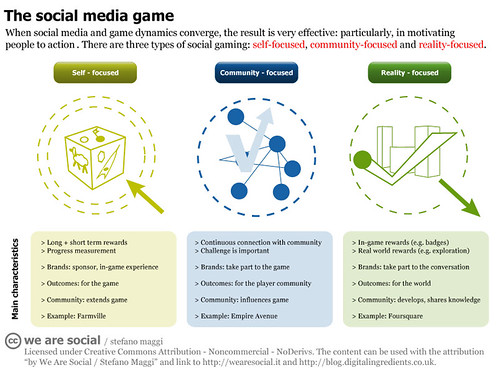
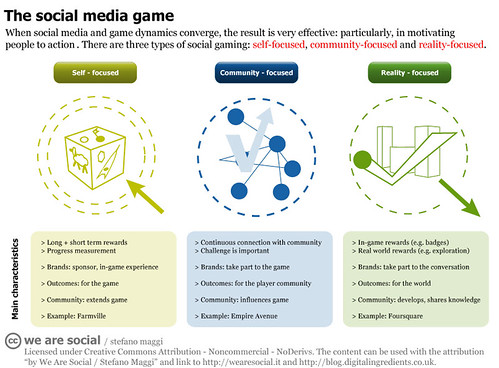
    As we navigate through 2026, online entertainment and gaming have reached new heights, offering more than just entertainment; they have become significant social platforms. This article explores how social gaming has transformed the landscape of online interactions, bringing people together in unique ways.

    Humphreys celebrates Independence Day with local community
    Foto: USAG-Humphreys

    The Rise of Social Gaming

    Social gaming has evolved tremendously, shifting from simple multiplayer experiences to complex ecosystems that prioritize social interactions. In 2026, these platforms have become integral in fostering relationships, especially after the challenges posed by the pandemic in previous years. Here are some of the key trends that define this evolution:

    • Community-Driven Experiences: Modern games often incorporate features that allow players to form communities, share experiences, and support each other.
    • Collaborative Gameplay: Titles like “Fortnite” and “Among Us” have paved the way for cooperative gameplay, encouraging collaboration amongst players globally.
    • Cross-Platform Compatibility: Players can now interact regardless of their gaming devices, which facilitates a more inclusive gaming experience.

    Innovative Game Designs

    Game developers in 2026 are focusing on creating engaging gameplay that not only entertains but also promotes social interaction. Here are some innovative designs that are making waves:

    • Interactive Storytelling: Games that adapt narratives based on player choices foster deeper connections and discussions among players.
    • Virtual Meetups: Many games now feature in-game spaces where players can meet, chat, and even attend virtual events together.
    • Augmented Social Features: Integrating social media elements directly into games helps players share their experiences effortlessly.

    Gaming as a Social Experience

    In 2026, gaming is more than just a pastime; it has become a primary means of socialization. Here are ways gaming is reshaping our social lives:

    • Building Friendships: Many players have formed lasting friendships through online gaming, bridging geographical gaps.
    • Community Support: Online gaming communities often rally around member-driven initiatives, providing emotional and financial support during hard times.
    • Events and Tournaments: Online tournaments not only provide competitive excitement but also bring players together, creating a sense of belonging.

    The Role of Streaming in Social Gaming

    Streaming platforms have become essential for social gaming in 2026. They serve as gateways for interaction and engagement:

    • Live Interactions: Streamers engage with their audience in real-time, fostering discussions that go beyond the game itself.
    • Shared Experiences: Watching streams together allows for collective experiences, transforming solitary gaming into a shared event.
    • Community Building: Streamers often cultivate dedicated communities that thrive on interaction and shared interests.

    The Future of Social Gaming

    Looking forward, the future of social gaming appears optimistic. Here are some predictions:

    • Enhanced Virtual Realities: As technology advances, players will experience even more immersive social environments.
    • More Inclusive Gaming: Developers will continue to focus on creating games that appeal to diverse demographics, promoting inclusive social platforms.
    • Integration with Other Online Platforms: Social gaming will increasingly blend with social media, creating hybrid platforms where sharing experiences becomes seamless.

    Conclusion

    In 2026, social gaming is not just about playing games; it’s about connecting with others, building communities, and sharing experiences. As technology continues to advance, we can expect even more innovative and engaging ways for players to interact. The online gaming world is set to become more intertwined with our social lives, making it an exciting time for gamers everywhere.

  • The Impact of User-Generated Content on Online Gaming in 2026

    The Impact of User-Generated Content on Online Gaming in 2026

    Introduction

    As we navigate through 2026, the landscape of online entertainment and gaming has significantly transformed, driven by technological advancements and user engagement. One of the most prominent trends reshaping this realm is the rise of user-generated content (UGC). This article explores how UGC is influencing online gaming, enhancing player experiences, and fostering community engagement.

    Humphreys celebrates Independence Day with local community
    Foto: USAG-Humphreys

    The Power of User-Generated Content

    User-generated content has taken center stage, empowering players to create, share, and monetize their creations. This participatory culture not only enriches the gaming environment but also reflects a shift in the way games are developed and marketed.

    What is User-Generated Content?

    User-generated content refers to any form of content created by players, including mods, skins, maps, storylines, and even entire games. Platforms like Roblox, Fortnite, and Dreams provide tools for users to unleash their creativity.

    Enhancing Player Engagement

    The incorporation of UGC in games enhances player engagement by creating a sense of ownership and investment in the game world. Players feel more connected when they can contribute their creativity.

    Examples of Engagement through UGC

    • Custom Skins: Players can design and sell their own character skins, allowing them to personalize their gaming experience.
    • User-Created Maps: Games like Counter-Strike allow users to create and share maps, leading to a fresh gameplay experience.
    • Story Content: Titles like Garry’s Mod encourage players to craft unique narratives, enhancing replayability.

    The Economic Impact of UGC

    The economic implications of UGC cannot be overlooked. As players monetize their content, a new revenue stream emerges for both developers and players. Also read: wak89 for more insights.

    Monetization Opportunities

    • Creator Funds: Companies are launching creator funds to support talented individuals who contribute high-quality content.
    • In-Game Purchases: Players can earn real money from selling their creations, incentivizing them to produce high-quality UGC.
    • Collaborative Events: Games are hosting events that spotlight user creations, increasing visibility and sales.

    The Role of Platforms in Promoting UGC

    Platforms play a crucial role in enabling and promoting UGC. By providing the tools and frameworks necessary for creation, they foster an environment ripe for innovation.

    Key Features of Leading Platforms

    • Intuitive Creation Tools: Platforms like Roblox offer easy-to-use interfaces that encourage beginners to create.
    • Community Support: Forums and tutorials provide support, enabling users to learn and share tips and tricks.
    • Showcasing Talent: Many platforms feature ‘Creator Spotlights’ to promote talented individuals and their work.

    Challenges and Criticisms of UGC

    Despite its advantages, user-generated content also faces challenges and criticisms. Issues related to copyright, moderation, and content quality can hinder the growth of UGC in gaming.

    Common Challenges

    • Copyright Issues: Content creators must navigate copyright laws, risking their work being taken down or facing legal action.
    • Quality Control: The abundance of UGC can lead to a mixed bag of quality, making it difficult for players to find outstanding content.
    • Moderation Challenges: Platforms must implement adequate moderation to prevent harmful or inappropriate content.

    The Future of UGC in Online Gaming

    Looking ahead, the future of user-generated content in online gaming appears promising. As technology evolves, we can expect to see enhanced tools, better monetization opportunities, and increased community involvement.

    Emerging Trends

    • AI-Driven Creation Tools: With advances in machine learning, future tools may assist creators in developing content more efficiently.
    • Virtual Reality Integration: UGC may transition into VR environments, offering immersive experiences.
    • Community-Run Events: More games may empower players to host community events, further blurring the lines between developers and players.

    Conclusion

    User-generated content is undeniably impacting the online gaming space in 2026. By empowering players to create and share their own experiences, the gaming community is growing more vibrant and interconnected. As we move into the future, the importance of UGC will only continue to rise, influencing how we play, engage, and enjoy our favorite games.

  • The Future of Gamified Content: How Online Entertainment is Evolving in 2026

    The Future of Gamified Content: How Online Entertainment is Evolving in 2026

    The Rise of Gamified Content in Online Entertainment

    As we step into 2026, the evolution of online entertainment and gaming continues to shape our digital experiences. One of the most intriguing trends this year is the rapid rise of gamified content, a fusion that combines storytelling, interactive media, and gameplay elements to create engaging user experiences. This article explores this phenomenon and how it is redefining online entertainment.

    online entertainment and gaming news

    Understanding Gamification in Online Platforms

    Gamification involves integrating game mechanics into non-game environments to boost engagement and motivation. In the realm of online entertainment, we’ve seen platforms employ point systems, rewards, and challenges to enhance viewer interaction. This approach not only captivates audiences but also encourages them to immerse themselves more deeply.

    Popular Examples of Gamification

    • Streaming Platforms: Many streaming services are now introducing interactive shows where viewers can influence outcomes through polls and decision-making segments.
    • Social Media: Social networks are incorporating games and challenges to foster community engagement, often linked with popular series or movies.
    • Online Gaming: Video games themselves are embracing more narrative-driven experiences, where player decisions significantly impact the storyline.

    The Benefits of Gamified Content

    Gamification has several advantages for both content creators and users:

    • Increased User Engagement: By offering interactive elements, gamified content keeps audiences invested for longer periods.
    • Enhanced Learning Experiences: Educational platforms leverage gamification to make learning enjoyable and effective.
    • Community Building: Gamified elements foster a sense of community and belonging among users.

    The Evolution of Game Genres in 2026

    With the rise of gamified content, we also notice an evolution in game genres. In 2026, narrative-driven games, social simulation, and cooperative multiplayer experiences are at the forefront. This shift indicates a growing preference for games that emphasize connection, storytelling, and emotional resonance.

    Narrative-Driven Games

    These games focus on rich storytelling and character development. Titles released this year have shown a remarkable depth in plot, allowing players to explore complex themes and moral dilemmas. The integration of player choices influences the narrative outcome, making every playthrough unique.

    Social Simulation Games

    Social simulation games, which allow players to build and manage communities, have gained immense popularity. These games not only offer a platform for creativity but also provide players with a sense of accomplishment and social interaction as they connect with others online.

    Cooperative Multiplayer Experiences

    As gaming communities become more interconnected, cooperative multiplayer games have surged. Players are looking for experiences that encourage teamwork and collaboration, presenting challenges that require collective problem-solving.

    The Role of Streaming in Gamified Content

    Streaming services are now adopting a more interactive format, leveraging gamification to enhance viewer retention. Live streams that incorporate chats, polls, and challenges keep audiences engaged and allow them to participate actively in the content.

    Innovative Streaming Formats

    • Interactive Live Events: Streaming platforms are hosting live events where viewers can influence the content in real-time.
    • Game Shows: New game shows incorporate viewer participation, creating a bridge between traditional and interactive media.
    • Collaborative Streams: Streamers collaborate with viewers in multiplayer environments, enhancing the engagement experience.

    Challenges in the Gamification of Online Entertainment

    Despite its benefits, gamification faces significant challenges. Content creators must strike a balance between engagement and distraction. Overly complex game mechanics can alienate non-gaming audiences, while those that are too simple may fail to captivate dedicated gamers.

    Finding the Right Balance

    To succeed, content creators must carefully analyze user feedback and engagement metrics. Iterative design approaches can help ensure that gamified elements align with user expectations and enhance overall enjoyment.

    Looking Ahead: The Future of Gamified Online Entertainment

    As we look to the future, the integration of AI and machine learning into gamified content is poised to revolutionize user experiences further. Personalized content recommendations and adaptive learning paths can create immersive experiences tailored to individual preferences.

    In summary, the rise of gamified content is reshaping online entertainment in 2026. By fostering deep engagement through interactive elements, this trend not only enhances enjoyment but also encourages community building among users. As content creators continue to innovate and evolve, we can expect the landscape of online entertainment to remain dynamic, captivating, and uniquely interactive.

  • Unlocking the Secrets of Virtual Reality in Online Entertainment: Trends and Innovations for 2026

    Unlocking the Secrets of Virtual Reality in Online Entertainment: Trends and Innovations for 2026

    Understanding the Surge of Virtual Reality in Online Entertainment

    As we dive into 2026, online entertainment continues to evolve at an unprecedented pace, with virtual reality (VR) playing a pivotal role in shaping the future landscape. The immersive experiences offered by VR technologies are no longer a distant dream but a tangible reality that is captivating audiences around the globe.

    Humphreys celebrates Independence Day with local community
    Foto: USAG-Humphreys

    The Current State of VR Technology

    With advancements in hardware and software, virtual reality has become more accessible and user-friendly. High-quality headsets like the latest models from Oculus, HTC, and Sony are now equipped with better graphics, enhanced motion tracking, and improved comfort for extended use. This increased accessibility has broadened the appeal of VR, drawing in a diverse audience, from hardcore gamers to casual viewers.

    Top Trends in VR Gaming and Entertainment for 2026

    • Social VR Experiences: The rise of social platforms in virtual reality is transforming how users interact. People can now meet, play, and collaborate with friends in immersive environments regardless of geographical barriers.
    • Integration with Augmented Reality: The merging of VR and augmented reality (AR) is paving the way for hybrid experiences that blend the digital and physical worlds, creating new gameplay mechanics and storytelling methods.
    • Expanding VR Content Libraries: The range of VR content is steadily growing, with major studios and indie developers alike investing in creating new games, virtual concerts, and immersive storytelling experiences.
    • Focus on Health and Wellness: Beyond entertainment, VR is making strides in wellness and fitness. Virtual reality experiences designed for exercise, meditation, and therapy are gaining traction, offering users a unique approach to health.

    The Role of AI in Enhancing VR Experiences

    Artificial intelligence is playing an increasingly significant role in virtual reality, optimizing user experiences and personalizing content. From dynamic NPC (non-playable character) behaviors to real-time content adaptation based on player choices, AI is enriching the interactivity and realism of VR worlds.

    The Impact of Social Dynamics on VR Gaming

    As more gamers gravitate towards social experiences in virtual reality, the community aspect of gaming has taken center stage. Here are some ways social dynamics are affecting VR gaming:

    • Collaborative Gameplay: Many VR games now emphasize teamwork, where players must work together to achieve objectives, fostering community bonds and enhancing the gaming experience.
    • User-Created Content: The ability for players to create and share their own VR environments and experiences has led to an explosion of creativity, enriching the gaming landscape.
    • Competitive Events and Tournaments: Just like traditional esports, competitive VR gaming events are emerging, drawing in players and spectators, thus elevating the profile of VR games.

    Navigating the Future: Challenges and Opportunities

    While the potential of virtual reality is immense, there are several challenges that the industry must address. Here are a few:

    • Affordability: As technology continues to advance, keeping VR equipment affordable for the average consumer remains a concern.
    • Content Quality: With the rapid increase in VR content, maintaining high-quality experiences is vital to keep users engaged and satisfied.
    • Physical Limitations: Users can experience discomfort or fatigue during extended gaming sessions, prompting developers to create more comfortable and user-friendly environments.

    Looking Ahead: What Should Gamers Expect?

    As we progress further into 2026, the integration of virtual reality into online entertainment will only deepen. Here are some anticipations that gamers and enthusiasts can expect:

    • New Horizons in Game Development: As developers explore the full capabilities of VR, we will see innovative genres and game mechanics that redefine interactive entertainment.
    • Enhanced User Community Features: Platforms will likely introduce more tools for user communication and collaboration, helping to build vibrant virtual communities.
    • Sustained Growth in VR Hardware: Continued investments in research will lead to next-generation hardware, making VR experiences more immersive and enjoyable.

    Conclusion: Embracing the Future of Online Entertainment

    The future of online entertainment is bright and filled with possibilities, especially with the rise of virtual reality. As technology progresses and content continues to evolve, gamers and viewers alike should prepare for a thrilling journey ahead. One thing is certain: the integration of virtual reality will transform how we experience games and entertainment, making 2026 a year to remember.

  • The Shift in Online Gaming Communities: What Gamers Should Know in 2026

    The Shift in Online Gaming Communities: What Gamers Should Know in 2026

    The Changing Landscape of Online Gaming Communities

    As of 2026, the realm of online gaming has evolved significantly, ushering in a new era where community dynamics play a pivotal role in shaping player experiences. With the advent of new technologies and platforms, gamers are finding innovative ways to connect, collaborate, and compete. In this article, we will explore the latest shifts in online gaming communities and what they mean for players.

    online entertainment and gaming news

    1. The Rise of Decentralized Platforms

    Decentralization has become a central theme in many online platforms. Games are now being developed on blockchain technology, allowing gamers to have true ownership of their in-game assets. This shift has fostered a sense of community, where players can trade, sell, and showcase their collectibles without the restrictions imposed by traditional gaming companies.

    • Ownership and Control: Players have greater freedom over their assets, leading to more personalized gaming experiences.
    • Transparency: Blockchain technology offers a transparent system for transactions, enhancing trust within the gaming community.
    • Community-Driven Developments: Players can vote on game updates, features, and even new projects, creating a more engaged and invested community.

    2. Cross-Platform Play: Uniting Gamers

    Cross-platform play has become a standard feature in many popular games. This trend allows players from various devices to connect and compete with one another seamlessly. The inclusiveness of cross-platform play is breaking down barriers and fostering a more diverse gaming community.

    • Increased Accessibility: Gamers no longer feel restricted to a single console or platform, which broadens the player base.
    • Enhanced Friend Connections: Players can now enjoy gaming with friends regardless of the devices they own.
    • Diverse Playstyles: The amalgamation of different gaming styles leads to richer gameplay experiences.

    3. The Role of Social Media in Community Building

    Social media platforms are increasingly serving as hubs for gamers to share experiences, strategies, and stories. Platforms such as Discord, Reddit, and Twitch have transformed into essential tools for communication and community interaction, enabling players to forge bonds beyond the confines of the game.

    • Content Creation: Gamers sharing gameplay videos or streams contribute to the community by offering tips and entertaining content.
    • Real-Time Interaction: Players can connect with developers and other gamers instantaneously, leading to a more engaged community.
    • Online Events: Social media allows communities to organize gaming events, tournaments, and challenges, fostering competition and camaraderie.

    4. Mental Well-Being and Inclusivity

    As online gaming communities evolve, there is a growing emphasis on mental well-being and inclusivity. Developers and community leaders are becoming increasingly aware of the importance of creating safe and welcoming environments for all players.

    • Support Networks: Gamers are establishing networks to support mental health, providing resources and discussions about well-being.
    • Diversity Initiatives: Many gaming communities are actively promoting inclusivity by celebrating diverse backgrounds and identities.
    • Game Design: Inclusive game design features characters and narratives that represent a broad spectrum of experiences.

    5. Future Perspectives: What Awaits the Gaming Community?

    As we look ahead, the future of online gaming communities holds immense potential. With advancements in technology and a focus on player-centric development, gamers can expect:

    • Greater Integration of AI: AI-driven features that adapt to player behavior could lead to more personalized gaming experiences.
    • Emergence of New Genres: As communities influence game design, we may see new genres arise from collaborative ideas and creativity.
    • Increased Global Connectivity: The gaming community will continue to bridge gaps between cultures, creating opportunities for cross-cultural interactions.

    Conclusion

    The landscape of online gaming communities in 2026 is vibrant and dynamic, fueled by technological advancements and evolving social interactions. As players continue to connect and collaborate in new ways, the importance of fostering inclusive and engaging environments will only grow. The future of online gaming promises to be a bright one, with limitless possibilities for community-building and shared experiences.

  • Exploring the Landscape of Online Entertainment: What Awaits Gamers in 2026

    The Uncharted Territories of Online Entertainment

    As we venture deeper into 2026, the world of online entertainment and gaming continues to evolve at an unprecedented pace. With advancements in technology and shifts in consumer behavior, players and spectators alike find themselves in a dynamic environment that promises innovation and excitement.

    New Platforms Redefining Gaming

    This year, a host of innovative platforms are emerging, challenging the traditional landscape of gaming and online entertainment.

    Cloud Gaming Services

    Cloud gaming has made significant strides, allowing gamers to play high-end titles without the need for expensive hardware. Services like NVIDIA GeForce NOW and Google Stadia have expanded their libraries, offering a plethora of games accessible across various devices. This means that even casual gamers can dive into AAA titles from their tablets or smartphones.

    Virtual Reality (VR) and Augmented Reality (AR)

    VR and AR technologies are not just gimmicks anymore; they’re becoming essential elements of the gaming experience. Titles like Half-Life: Alyx and the Pokemon GO Plus from Niantic have paved the way for immersive gameplay that merges the physical and digital realms. As headset technology improves and becomes more affordable, expect a surge in titles that make full use of these platforms.

    Increased Focus on Storytelling

    One of the most exciting developments in online entertainment is the push for deeper storytelling within games. Developers are realizing that players are not just looking for a challenge; they crave compelling narratives that engage them emotionally.

    Interactive Narratives

    Games like The Last of Us Part III and Life is Strange: True Colors show how interactive narratives can leave a lasting impact. Players are not just observers; they are integral to the story, making choices that shape outcomes.

    The Rise of User-Generated Content

    As platforms evolve, user-generated content is taking center stage. Gamers are no longer simply consumers; they’re creators, sharing their unique experiences through mods, fan art, and custom game modes.

    Popular Platforms Supporting UGC

    • Roblox: A platform where users can create and monetize their games, driving engagement and creativity.
    • Fortnite Creative: This mode allows players to design their own maps and game modes, fostering a community-centric atmosphere.
    • Steam Workshop: A treasure trove of mods that enhance gameplay and keep older titles fresh.

    The Impact of Social Media on Gaming Culture

    Social media continues to play a crucial role in shaping the gaming landscape. Platforms like TikTok and Twitch have transformed the way gamers connect, share, and engage with content. Streamers are becoming household names, influencing trends and game choices across demographics.

    Content Creation and Streaming

    In 2026, live streaming is no longer just a niche; it’s a mainstream entertainment option. Twitch and YouTube Gaming have solidified their status as platforms where gamers can build careers by sharing their gameplay and connecting with audiences.

    Challenges in the Online Gaming Community

    While there are many advancements, the online gaming community still faces several challenges that need addressing.

    Toxicity and Harassment

    One of the biggest issues is the prevalence of toxicity and harassment. Gaming companies are increasingly working on policies and technologies to combat this behavior, fostering a more welcoming environment for players.

    Data Privacy Concerns

    As online gaming grows and platforms collect more user data, concerns around privacy and data security are surging. Companies must prioritize transparency and provide users with control over their data.

    Conclusion: The Road Ahead

    As 2026 continues to unfold, the landscape of online entertainment and gaming promises to be filled with opportunities for innovation, engagement, and community-building. By embracing new technologies, fostering creativity, and addressing challenges, the industry can create a vibrant environment that captivates gamers around the globe. Whether you’re a casual player or a hardcore enthusiast, the future of gaming is bright and full of potential.

  • The Future of Online Interactive Experiences: What’s Trending in 2026

    Introduction to Online Interactive Experiences

    As we dive deeper into 2026, the landscape of online entertainment and gaming continues to rapidly evolve. With the rise of new technologies and changing consumer expectations, interactive experiences are becoming more immersive and engaging than ever before. This article explores the latest trends in online interactive experiences, ranging from innovative gaming mechanics to the integration of virtual reality and social platforms.

    The Evolution of Interactive Storytelling

    Interactive storytelling has taken a front seat in online entertainment, transforming how narratives are delivered in games. Developers are now leveraging advanced algorithms and player choices to create branching narratives that provide unique experiences.

    Why Interactivity Matters

    Interactivity allows players to become part of the story. Instead of merely watching a storyline unfold, players can influence the outcome, creating a personal connection to the content.

    • Engagement: Players are more likely to stay invested in a game that responds to their decisions.
    • Replayability: Games with multiple endings encourage players to revisit the content.
    • User-Generated Content: Players contributing their own narratives enhances the overall gaming experience.

    Immersive Technologies: VR and AR on the Rise

    Virtual reality (VR) and augmented reality (AR) are no longer just buzzwords; they are integral components of many new gaming experiences.

    How VR is Transforming Gameplay

    With advancements in VR technology, players can now explore worlds like never before. VR headsets have become more accessible, allowing for smoother motion tracking and more realistic graphics.

    • Realism: The immersive experience draws players into the game, making it feel more lifelike.
    • Social Interaction: VR is fostering communities where players can interact within a shared virtual space.
    • Physical Engagement: Many VR games encourage physical movement, offering a unique blend of gaming and fitness.

    Augmented Reality: Blending Real and Virtual Worlds

    AR games, such as the popular titles we’ve seen in recent years, are continuing to innovate. Players can interact with both virtual and real-world elements, creating a seamless experience.

    • Accessibility: AR games are often more accessible, as they can be played on mobile devices without additional equipment.
    • Exploration: AR promotes exploration, encouraging players to discover their surroundings.

    The Rise of Collaborative Gaming

    As social interaction continues to be a key component of online gaming, collaborative experiences are on the rise. Games that require teamwork and strategy are drawing in players from around the globe.

    Building Communities through Collaboration

    Gamers are finding connections like never before through collaborative gameplay. Whether it’s through team-based objectives or shared challenges, the sense of community is stronger than ever.

    • Communication Tools: Enhanced voice and text chat features allow for better coordination among players.
    • Real-Time Strategies: Many games are incorporating live events and challenges that require players to work together in real-time.

    Social Connectivity as a Game Mechanic

    Social features are becoming essential game mechanics rather than just an add-on. Gamers are not only looking for immersive experiences but also for ways to connect with others.

    In-Game Social Features

    From guilds to friend lists, social features are becoming a core part of the gaming experience.

    • Shared Experiences: Players are sharing moments directly within the game, enhancing the sense of community.
    • Competitive Play: The rise of competitive gaming has encouraged players to create teams and compete against others.

    Personalization in Gaming

    Another significant trend in 2026 is the personalization of gaming experiences. Players are looking for tailored content that resonates with their preferences.

    Adaptive Gameplay

    Games are now utilizing player data to adapt gameplay to individual preferences, enhancing player satisfaction and engagement.

    • Customizable Characters: Players can create and modify their characters to reflect their identity.
    • Dynamic Difficulty: Games are adjusting difficulty levels based on player performance, providing a more tailored challenge.

    Conclusion: Embracing the Future of Interactive Entertainment

    The future of online entertainment and gaming is bright, driven by technology and creativity. As interactivity, immersive technologies, collaboration, social connectivity, and personalization shape the landscape, players are guaranteed exciting new experiences. With each innovation, the realm of possibilities expands, promising a thrilling ride for gamers and entertainment seekers alike in this dynamic digital era.

  • Unveiling the Latest Trends in Streaming and Gaming for Fall 2026

    Introduction

    As we move into fall 2026, the online entertainment and gaming landscape is rapidly evolving, driven by new technologies, changing consumer behaviors, and innovative content delivery methods. This article explores the latest trends that are shaping the gaming and streaming industries, providing insights into what audiences can expect in the coming months.

    Streaming Services: A New Era

    Streaming services have transformed the way we consume media, and 2026 is no different. Major players continue to innovate, pushing the boundaries of what viewers expect.

    1. The Rise of Interactive Streaming

    Interactive streaming has gained significant traction, allowing viewers to engage with content in real-time. Services like Netflix and Twitch are leading the charge, providing platforms where audiences can influence storylines or outcomes.

    • Real-Time Polls: Viewers can vote on decisions, making them feel part of the narrative.
    • Customizable Experiences: Personalized content based on viewer preferences is becoming more common.

    2. Expanded Content Libraries

    In 2026, streaming platforms are not only focusing on original programming but also expanding their libraries with classic films and international shows. This diversification caters to a broader audience.

    • Niche Genres: Platforms are investing in specialized genres, such as indie films and documentary series.
    • Global Perspectives: International content is more accessible, allowing global storytelling.

    The Gaming Landscape: Innovations and Community Growth

    The gaming industry continues to thrive, with innovations and community-focused developments leading the way.

    3. Cloud Gaming Takes Center Stage

    Cloud gaming has reshaped the way players access games. Services like Google Stadia and NVIDIA GeForce Now are making it easier for gamers to enjoy high-quality games without the need for expensive hardware.

    • Accessibility: Players can enjoy games on various devices, from smartphones to smart TVs.
    • Subscription Models: The subscription-based approach is becoming more popular, allowing gamers to access a vast library for a monthly fee.

    4. The Importance of Community Engagement

    In 2026, community engagement remains a central focus for game developers. The relationship between players and developers is evolving, with many companies seeking direct feedback.

    • Beta Testing: Gamers are being invited to participate in beta tests, allowing them to shape the development process.
    • Community Events: Virtual events, including game launches and Q&A sessions with developers, foster a sense of belonging among players.

    Mobile Gaming: The Dominant Force

    Mobile gaming continues to dominate the industry, accounting for a substantial portion of gaming revenue. As smartphones become more powerful, the quality of mobile games is improving dramatically.

    5. Enhanced Graphics and Gameplay

    Developers are leveraging advanced technology to create visually stunning and immersive mobile experiences.

    • Augmented Reality (AR): Games like Pokémon Go are incorporating AR features that encourage players to explore the real world.
    • Cross-Platform Play: Mobile games now often support cross-platform play, allowing gamers on different devices to compete against one another.

    6. Microtransactions and Monetization Strategies

    While the debate around microtransactions continues, developers are finding ways to monetize without alienating their player base.

    • Cosmetic Upgrades: Many games offer cosmetic items that do not impact gameplay, allowing players to customize their experience.
    • Seasonal Content: Limited-time events and content keep players engaged and eager to spend.

    The Role of Influencers and Content Creators

    Influencers and content creators play a crucial role in shaping trends in both gaming and streaming. Their reach and engagement help drive new audiences to platforms and games.

    7. Collaboration with Developers

    Game developers are increasingly partnering with influencers to promote their titles, leading to authentic engagement and reach.

    • Exclusive Content: Influencers often receive exclusive access to games, creating buzz before a launch.
    • Live Streams: Developers are leveraging live streams to showcase new features and engage with players.

    8. Building Communities Through Content

    Content creators are not only entertainers but also community builders. Their ability to interact with fans fosters loyalty and engagement.

    • Fan Events: Many creators host events where fans can meet and interact, strengthening community ties.
    • Feedback Loops: Creators use their platforms to gather feedback from their audience, influencing developer decisions.

    Conclusion

    The online entertainment and gaming industries are in a continuous state of change. With advancements in technology, the importance of community, and the impact of streaming and gaming platforms, the landscape is poised for further growth. As we transition through fall 2026, staying informed about these trends will help consumers make the most of their entertainment experiences.