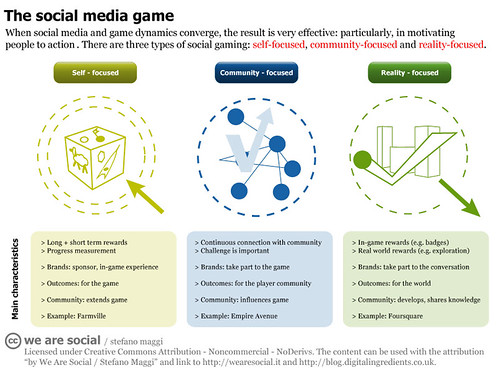
Game Design and Player Psychology: Understanding What Keeps Gamers Coming Back
Introduction
In an age where the gaming industry continuously evolves, understanding the psychology behind game design is more crucial than ever. In 2026, developers are not just crafting games; they are creating immersive experiences that keep players engaged for hours on end. This article dives deep into the psychological aspects of game design, exploring how various elements influence player retention and enjoyment.

The Psychology of Game Mechanics
At the heart of any captivating game lies its mechanics. Game mechanics are essentially the rules and systems that govern how players interact with the game. In 2026, it’s evident that developers are paying close attention to how these mechanics resonate with players on a psychological level.
1. Reward Systems
One of the most powerful elements of game design is the reward system. Players are motivated by tangible and intangible rewards, and developers have cleverly harnessed this motivation:
- Immediate Rewards: Instant gratification is vital. Implementing systems that reward players right after an achievement increases their satisfaction and encourages continued play.
- Long-Term Rewards: Games often incorporate a variety of long-term goals that require sustained effort. This keeps players invested in the overall progression.
2. Challenge and Skill Balance
The concept of the flow state, introduced by psychologist Mihaly Csikszentmihalyi, is significant in gaming. A well-designed game maintains a balance between challenge and skill:
- Too Easy: If a game is too simple, players may lose interest quickly.
- Too Difficult: Conversely, overly challenging games can lead to frustration, causing players to abandon the experience.
- Just Right: The ideal game provides challenges that are achievable at the right time, creating a sense of accomplishment.
Emotional Engagement
Emotional engagement plays a pivotal role in why players return to certain games. Developers in 2026 have begun to harness emotional storytelling effectively:
1. Character Development
Well-crafted characters resonate with players, making them more likely to connect emotionally. Players often invest in the journey of characters they empathize with, leading to a deeper attachment to the game.
2. Narrative Depth
Incorporating complex narratives can lead players to feel a part of a larger world. A compelling story keeps players engaged, and they may even feel compelled to return to unravel more layers of the plot.
Community Dynamics
In 2026, gaming is as much about community as it is about individual play. The shared experience of gaming fosters connections among players, influencing their gaming behavior:
1. Social Interaction
Games that encourage cooperative play or competition create social dynamics that can be incredibly engaging:
- Multiplayer Experiences: Games that facilitate teamwork or competition can enhance the overall enjoyment due to shared victories and defeats.
- Community Events: Seasonal events and in-game challenges foster camaraderie among players, increasing the time spent in-game.
2. Player-Generated Content
Allowing a community to contribute to a game can deepen their investment:
- Mods and Customization: Games that support modding enable players to personalize their experiences, driving engagement.
- Fan Art and Fan Fiction: When players create content related to a game, it strengthens their emotional ties and enhances the sense of belonging.
Future Trends in Game Design
As we move forward, several trends are likely to shape the future of game design, particularly in how they connect with player psychology:
1. Personalized Experiences
Using data analytics, developers can create tailored experiences that cater to individual player preferences, making games more engaging and enjoyable.
2. Immersive Technologies
With the rise of augmented and mixed reality technologies, the next wave of gaming will likely offer even deeper emotional and immersive experiences that engage players on multiple levels.
Conclusion
Understanding the psychological factors that influence player engagement is key to creating successful games in 2026 and beyond. By focusing on mechanics, emotional engagement, and community dynamics, developers can craft experiences that not only attract players but also keep them coming back for more. As the industry evolves, the intersection of psychology and design will continue to play a vital role in shaping the future of gaming.