The Psychology of Gaming: Understanding Player Behavior in 2026
Introduction
As the gaming industry continues to evolve, understanding the psychology behind player behavior becomes increasingly important. In 2026, game developers, marketers, and players themselves are keen to grasp the nuances of what drives engagement, retention, and satisfaction in gaming experiences. This article delves into the psychological factors that affect gaming habits and how they are shaping the future of play.
The Core Psychological Drivers of Gaming
At the heart of gaming lies a complex interplay of psychological factors that motivate players. Here, we explore some of the key drivers:
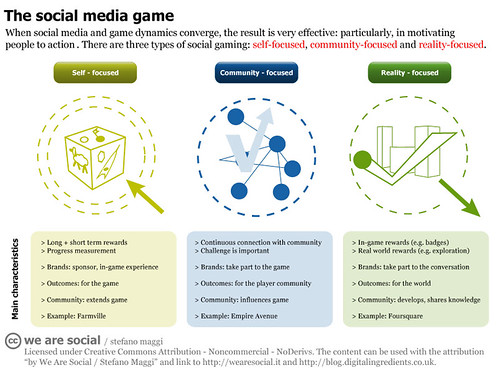
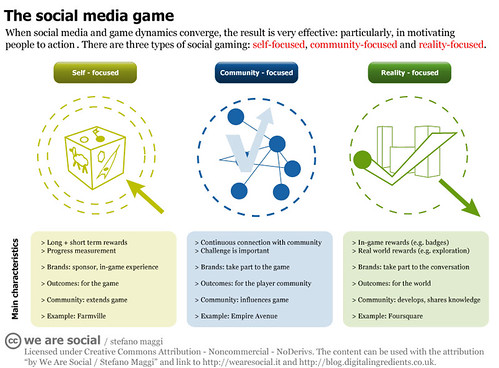
- Achievement and Competition: Many players are driven by the desire to achieve goals and compete against others. This can manifest in various ways, from completing quests in single-player games to climbing the ranks in competitive multiplayer environments.
- Social Interaction: Social dynamics play a significant role in gaming. Players often feel a strong connection with friends or gaming communities, which can enhance their overall experience.
- Escapism: For many, gaming provides an escape from reality. The immersive worlds created by games allow players to engage in adventures far removed from their everyday lives.
- Curiosity and Exploration: The innate desire to explore and learn is a powerful motivator. Open-world games, in particular, capitalize on this by offering vast environments that encourage discovery.
The Impact of Game Design on Player Behavior
Recent trends in game design reflect a deeper understanding of player psychology. Here are some approaches currently utilized to enhance engagement:
- Feedback Loops: Effective feedback mechanisms, such as visual or auditory rewards for completing tasks, reinforce player actions and encourage continued engagement.
- Adaptive Difficulty: Games are increasingly employing adaptive difficulty systems that adjust challenges based on player skill levels, maintaining an optimal balance between challenge and ability.
- Narrative Choices: Allowing players to make choices that affect the story outcome not only increases emotional investment but also fosters a sense of ownership over their gaming experience.
The Role of Community in Gaming Psychology
In 2026, the social aspect of gaming has transformed significantly, with online communities becoming integral to play. These communities can influence player behavior in several ways:
- Peer Influence: Social interactions often lead to peer pressure, encouraging players to improve their skills or partake in specific gaming trends.
- Support Networks: Players frequently find camaraderie in gaming communities, offering support and advice to one another, which can enhance player retention.
- Shared Experiences: The ability to share gaming moments—through streaming platforms or social media—creates a sense of belonging and enhances overall enjoyment.
The Influence of Technology on Player Behavior
As technology advances, so too does its impact on gaming psychology. Here are some notable trends as of 2026:
- Artificial Intelligence: AI-driven characters and environments react to player behavior, creating more immersive and personalized experiences that can influence player emotions and preferences.
- Augmented Reality: AR gaming continues to grow, blending the real world with gaming elements, which captivates players and fosters unique interactions.
- Enhanced Accessibility Features: Technological advancements have made games more accessible, allowing a broader range of players to engage, further diversifying the gaming community.
Future Considerations for Developers
As we look ahead, understanding the psychological aspects of gaming will be crucial for developers. Here are some considerations:
- Player-Centric Design: Focus on incorporating player feedback and preferences into game development to create more engaging products.
- Diversity and Inclusion: Investing in inclusive design will not only broaden the player base but also enrich the gaming experience for everyone.
- Sustainable Engagement: Developers should aim to create games that foster long-term engagement rather than quick, superficial play. This involves providing meaningful content and updates that resonate with the community.
Conclusion
The psychology of gaming is a rapidly evolving field that holds significant implications for the industry. By understanding the intricate motivations and behaviors of players, game developers can craft experiences that resonate on a deeper level. As we move further into 2026 and beyond, the focus will undoubtedly remain on creating compelling, engaging, and inclusive gaming experiences that speak to the heart of what it means to play.