Harnessing the Power of Community in Gaming: Building Connections in 2026
The Rise of Community-Centric Gaming
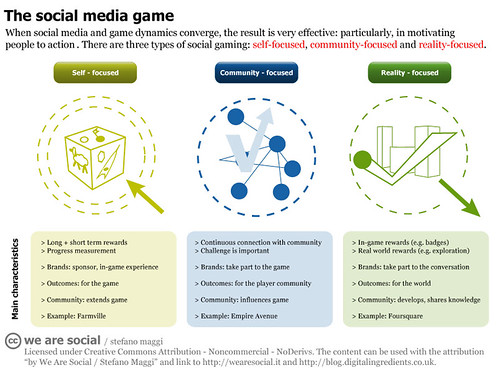
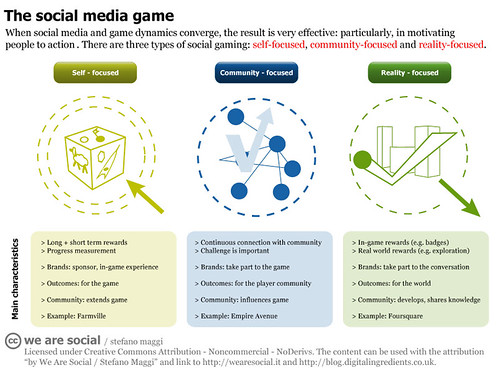
In 2026, gaming has evolved beyond being just a solitary activity or a competitive sport; it has transformed into a thriving community-driven experience. Gamers today seek not only entertainment but also meaningful interactions with others who share their passions. This article explores the significance of community in gaming, the emerging platforms facilitating this connection, and how developers are leveraging community feedback to shape future game experiences.

The Importance of Community in Gaming
Community has always been at the heart of gaming. However, the way players engage with each other has dramatically changed over the years. Here are some reasons why community is essential in today’s gaming landscape:
- Shared Experiences: Players bond over shared victories and defeats, creating lasting friendships.
- Support and Learning: Communities often serve as support systems where players can share tips, tricks, and strategies.
- Feedback Loops: Developers learn directly from players about what works and what needs improvement, fostering a collaborative environment.
- Cultural Exchange: Players from diverse backgrounds enrich the gaming community with their unique perspectives, enhancing the overall experience.
Platforms That Foster Community Engagement
As we look towards 2026, several platforms have emerged to facilitate community-building among gamers:
- Discord: Originally a platform for voice chat, Discord has expanded to include text channels, video calls, and community-driven servers, providing gamers with a space to connect and collaborate.
- Reddit: Reddit serves as a hub for gaming discussions, where players can engage in meaningful dialogues, ask questions, and share content related to their favorite games.
- Social Media: Platforms like Twitter, Instagram, and TikTok have become essential for gaming news, fan art, and community-driven events, allowing players to connect in real-time.
- Game-Specific Forums: Many games now have dedicated forums for players to discuss strategies, share mods, and report issues directly to developers.
Game Developers Embracing Community Feedback
In 2026, game developers are increasingly recognizing the importance of community input in shaping their games. This shift can be seen in several key practices:
- Early Access and Betas: Many developers release early access versions of their games, allowing players to provide feedback before the final launch. This practice ensures that the game meets player expectations and enhances overall satisfaction.
- Community Events: Developers often host events or competitions that encourage community participation, creating a sense of ownership and investment in the game.
- Transparent Communication: Open lines of communication via forums, social media, and official websites allow players to voice their opinions and feel heard, fostering a strong relationship between developers and gamers.
- Player-Driven Content: Some games enable players to create and share their content, such as mods, skins, and levels, which not only enhances diversity in gameplay but also strengthens community ties.
Case Studies of Successful Community-Driven Games
Several games have exemplified the power of community-focused development:
- Fortnite: Known for its vibrant community, Epic Games regularly implements player feedback into updates, while community events keep players engaged and invested.
- Among Us: This game saw a massive resurgence during the pandemic, primarily due to community sharing on platforms like Twitch and YouTube, proving that word-of-mouth and community engagement can lead to remarkable success.
- Stardew Valley: The developer Andrew Spinks actively engages with players, allowing modding and incorporating player suggestions, which has contributed to its sustained popularity.
The Future of Community in Gaming
Looking ahead, community engagement is set to play an even more pivotal role in the gaming industry. Here are a few trends to anticipate:
- Integration of AI Tools: As artificial intelligence technology evolves, AI-driven community management tools will likely enhance interactions, helping moderators manage large communities more effectively.
- Augmented Reality Experiences: Expect to see more games integrating AR to create real-world interactions, bringing players together in novel ways.
- Increased Focus on Diversity: Developers are likely to pay more attention to fostering diverse communities and creating inclusive gaming spaces that welcome players from all backgrounds.
Conclusion
In 2026, the significance of community in gaming cannot be overstated. As players seek connection, support, and shared experiences, developers and platforms are adapting to meet these needs. The future of gaming is not just about playing; it’s about connecting with others and building communities that enrich the gaming experience. Embracing this community-centric approach will be crucial for developers and gamers alike as they navigate the exciting landscape of gaming together.