Game Monetization Strategies: Navigating the Landscape in 2026
Introduction to Game Monetization
In the gaming industry of 2026, monetization strategies have evolved significantly, adapting to changing player preferences and technological advancements. Understanding how to effectively monetize a game without alienating players is crucial for developers. This article explores the latest monetization trends, best practices, and insights for game developers looking to maximize their revenue streams.
The Shift in Monetization Models
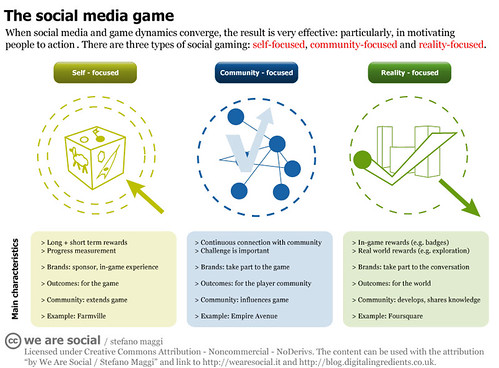
Game monetization has transitioned from traditional models to more diversified approaches. Key monetization models in 2026 include:
- Free-to-Play (F2P) with In-Game Purchases: Many successful games continue to use this model, offering free access to the core game while providing optional in-game purchases for cosmetic items, enhancements, and premium features.
- Subscription Services: With the rising popularity of platforms like Xbox Game Pass and PlayStation Plus, game subscriptions have become a lucrative option, allowing players to access a library of games for a monthly fee.
- Pay-to-Play: While less common, many indie titles and AAA games still use a one-time purchase model, where players pay upfront to access the game.
- Ad-Supported Games: Especially prevalent in mobile gaming, developers offer games for free but integrate advertisements, earning revenue through ad views and clicks.
- Season Passes and Battle Passes: These allow players to unlock exclusive content and rewards over a set time, creating recurring revenue during gameplay seasons.
Emerging Trends in Game Monetization
As the gaming landscape continues to evolve, several trends are shaping how developers approach monetization:
1. Community Engagement
Developers are increasingly involving their communities in monetization decisions. Engaging with players through surveys and feedback allows for more tailored content that resonates with the audience, leading to higher conversion rates on purchases.
2. Ethical Monetization
With growing awareness regarding predatory monetization practices, there is a shift toward ethical monetization. Developers are focusing on providing value without exploiting players, which leads to a better long-term relationship between publishers and gamers.
3. Personalization and Data Analytics
Utilizing data analytics helps developers understand player behavior and preferences, personalizing offers and recommendations accordingly. This can result in a more appealing shopping experience and improved sales.
4. Expanding Merchandising Opportunities
With the integration of e-commerce in games, developers are exploring new merchandising avenues. From apparel to collectibles, in-game purchases can extend into real-world items, creating additional revenue streams. Also read: Gan89 for more insights.
Implementing Effective Monetization Strategies
To successfully implement monetization strategies, developers need to consider several best practices:
- Maintain Balance: Strive for a healthy balance between monetization and player enjoyment. Avoid hindering gameplay through aggressive monetization tactics.
- Offer Value: Ensure that in-game purchases provide real value to players. Cosmetic items and quality-of-life enhancements are often more accepted by players than pay-to-win mechanics.
- Transparent Communication: Be clear about what players are purchasing and how it impacts their experience. Transparency fosters trust.
- Test and Iterate: Regularly test monetization strategies and gather player feedback. Analyze data to identify what works and what doesn’t.
Case Studies: Successful Monetization in 2026
Several games have successfully navigated the monetization landscape in 2026, serving as case studies for aspiring developers:
Fortnite
Continuing its success, Fortnite has masterfully combined cosmetic purchases with seasonal events, keeping players engaged and willing to spend while avoiding pay-to-win elements.
Genshin Impact
This game exemplifies the F2P model, where players can explore vast worlds freely, while optional gacha mechanics offer rare items and characters, maintaining a steady revenue flow.
Call of Duty: Warzone
With its battle pass system, Warzone has successfully monetized seasonal content. Players are incentivized to participate in challenges and events to unlock exclusive rewards.
Future Directions in Game Monetization
Looking ahead, the future of game monetization could include:
- Virtual Reality (VR) Monetization: As VR gaming grows, new strategies tailored for immersive experiences will likely emerge, including virtual marketplaces within games.
- AI-Driven Monetization: Advanced AI could offer personalized in-game shopping experiences, anticipating player needs and improving conversion rates.
- Enhanced Cross-Platform Sales: As games become more interconnected across platforms, monetization strategies may evolve to support cross-platform purchases and rewards, enhancing player loyalty.
Conclusion
Monetizing games effectively in 2026 requires a nuanced understanding of player preferences and emerging trends. By focusing on ethical practices, community engagement, and data-driven strategies, developers can navigate the complex landscape of game monetization while fostering a positive gaming experience. As the industry continues to grow, those who adapt and innovate will thrive in this ever-evolving market.