The Art of Game Development: Mastering the Craft in 2026
Introduction to Game Development in 2026
As we navigate through 2026, the realm of game development continues to evolve at an astonishing pace. Creators are no longer just programmers and designers; they have become storytellers, innovators, and community builders. In this article, we will explore the nuanced art of game development, delving into the essential elements that define successful games today.

The Pillars of Game Development
Game development is an intricate process that rests upon several critical pillars. Understanding these elements can significantly enhance the quality of the games produced.
- Conceptualization: Every game starts as an idea. Developers must focus on creating a unique concept that stands out in a saturated market. This involves brainstorming ideas, establishing themes, and identifying target audiences.
- Design: Design encompasses not only the visual aspects of a game but also its mechanics and user experience. Effective game design integrates aesthetics with functionality to engage players.
- Programming: The technical backbone of any game lies in its code. Developers must choose the right languages and frameworks to ensure seamless performance across platforms.
- Testing: Rigorous testing is essential to eliminate bugs and refine gameplay. Continuous feedback loops from testers help developers identify areas for improvement.
- Launch and Marketing: A successful launch requires strategic marketing efforts to create buzz and attract players. Developers need to implement effective strategies to ensure their game reaches its intended audience.
Emphasizing Collaboration
Collaboration is a cornerstone of modern game development. In 2026, cross-disciplinary teams are becoming increasingly common, allowing expertise from various fields to harmonize in the creation process. Artists, sound designers, writers, and programmers working together can lead to innovative gameplay and immersive experiences.
Tools and Technologies Shaping Game Development
The game development landscape in 2026 is enriched by cutting-edge tools and technologies that streamline various aspects of the process.
- Game Engines: Engines like Unreal Engine and Unity have revolutionized game development. They provide robust frameworks for building games across multiple platforms, enabling developers to focus on creativity.
- AI and Machine Learning: AI is not only enhancing gameplay but also improving development processes. Machine learning algorithms can analyze player data to suggest optimizations and predict player preferences.
- Cloud Gaming: With the rise of services like Google Stadia and NVIDIA GeForce NOW, developers must consider the implications of cloud gaming on their designs, especially regarding performance and accessibility.
- 3D Modeling Software: Tools like Blender and Maya offer developers advanced capabilities for creating stunning visuals that are integral to modern gaming experiences.
The Importance of Community Engagement
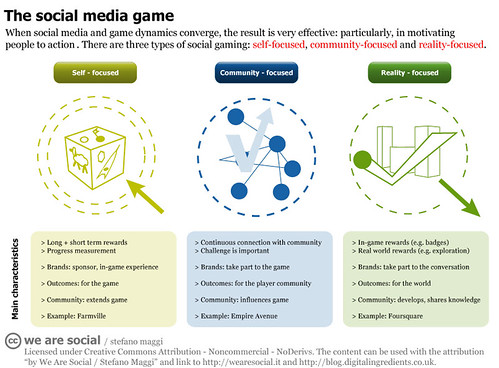
In 2026, building a community around a game is as vital as the game itself. Engaging players through forums, social media, and live events fosters a sense of belonging and loyalty. Developers are now leveraging community feedback not just during testing but also post-launch to keep the game relevant.
Creating a Supportive Ecosystem
Developers should invest time in creating a supportive ecosystem for their players. This includes:
- Active Communication: Maintaining open lines of communication through updates and community engagement platforms helps players feel valued.
- Modding Support: Encouraging modding can extend a game’s life exponentially. Providing tools for community-created content empowers players and fosters creativity.
- Regular Updates: Regular content updates can keep a game fresh and exciting. Addressing community feedback in updates also shows players that their opinions matter.
Future Trends in Game Development
As we look towards the future, several trends are expected to further reshape game development:
- Increased Focus on Sustainability: Developers are recognizing the importance of sustainability in gaming. Eco-friendly practices are becoming more prevalent, from resource-efficient coding to sustainable packaging.
- Diversity and Inclusion: The industry is making strides to incorporate more diverse voices in storytelling and character design, reflecting a broader range of experiences and cultures.
- Cross-Reality Experiences: The blending of augmented reality (AR) and virtual reality (VR) is opening new avenues for immersive storytelling, creating a hybrid gaming experience.
Conclusion: Mastering the Art of Game Development
Game development in 2026 is an intricate dance of creativity, technology, and community. By mastering the foundational pillars, embracing collaboration, utilizing the latest tools, and engaging with players, developers can craft experiences that not only entertain but also connect with audiences on a deeper level. As the industry continues to evolve, those who adapt and innovate will lead the charge into the next era of gaming.