The Future of Virtual Reality Gaming: Trends and Innovations in 2026
Introduction to Virtual Reality Gaming
As we enter 2026, virtual reality (VR) gaming has evolved dramatically, transforming the way players immerse themselves in digital worlds. With advancements in technology, VR gaming is no longer a futuristic concept but a thriving industry that captivates millions of gamers worldwide.

Current State of VR Gaming
In 2026, the virtual reality gaming landscape is more diverse than ever. Major companies, from tech giants to indie developers, are creating robust ecosystems that offer experiences ranging from action-packed adventures to serene explorations of fantastical realms.
Hardware Innovations
The VR hardware market has witnessed significant breakthroughs. Headsets are now lighter, more comfortable, and offer higher resolutions, creating a seamless experience for players. Key innovations include:
- Wireless Technology: The shift to wireless headsets has removed physical barriers, allowing for more freedom of movement.
- Advanced Motion Tracking: Enhanced motion tracking technology provides more accurate and responsive gameplay, reducing the feeling of disconnect.
- Haptic Feedback: New haptic technologies are giving players a tangible connection to the gaming world, enhancing realism.
Software Developments
On the software side, developers are pushing the boundaries of what is possible in VR. New genres are emerging, including:
- Social VR Experiences: Games that focus on social interaction, allowing players to engage in shared environments.
- Educational VR: Applications that teach concepts interactively, making learning engaging and effective.
- Fitness Gaming: VR games that promote physical activity by incorporating exercise elements.
The Impact of Community in VR Gaming
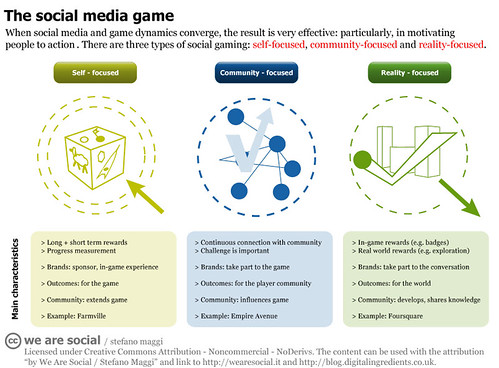
The sense of community within VR gaming has become increasingly important. Players can now connect globally, forming friendships through their shared experiences in virtual worlds. Game developers are capitalizing on this trend by integrating social features such as: Also read: ajo89 for more insights.
- Multiplayer Modes: Allowing players to join forces or compete in real-time.
- Community Events: Hosting in-game events that bring players together for special challenges or celebrations.
Future Trends to Watch
As we look ahead, several trends are poised to shape the future of VR gaming:
Cross-Platform Play
Cross-platform options are becoming a standard expectation among gamers. Players on different devices can connect and play together, fostering inclusivity and widening gaming demographics.
AI-Driven Experiences
Artificial intelligence is playing an increasing role in enhancing gameplay. Intelligent NPCs (non-player characters) that adapt to player behavior can create more dynamic challenges and immersive interactions.
Sustainability in Gaming
With a growing emphasis on sustainability, game developers are exploring eco-friendly practices, from game design to hardware production, reflecting a commitment to environmental responsibility.
Conclusion: Embracing the Future of VR Gaming
The evolution of virtual reality gaming is an ongoing journey. As technology continues to advance, the possibilities for immersive gaming experiences are limitless. For players, this means an exciting future filled with innovative games, engaging communities, and unforgettable adventures in the virtual realm.