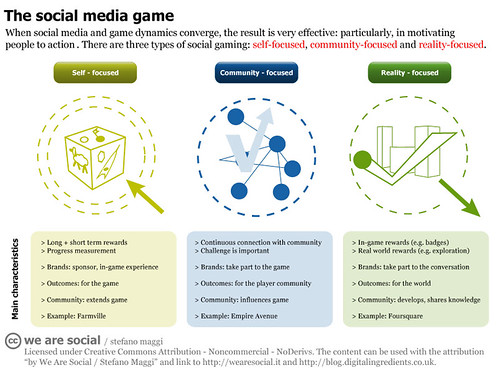
The Transformation of Social Interaction Through Gaming in 2026
Introduction: The Social Fabric of Gaming
In 2026, gaming has transcended its role as a mere pastime to become a vibrant social platform that brings people together across the globe. With the evolution of technology and the rise of new gaming modalities, the way we interact with friends, family, and even strangers through games has transformed dramatically. This article explores the multifaceted role of gaming as a social medium, highlighting innovative features and trends that have shaped the community-focused landscape of 2026.

Gaming as a Social Connector
Gone are the days when gaming was often viewed as a solitary activity. Today, games serve as a powerful connector, fostering relationships and enhancing social interactions. Here are some key elements that underline this transformation:
- Online Multiplayer Experiences: With the proliferation of online multiplayer games, players can engage with friends and form new friendships through shared experiences, with titles offering expansive worlds to explore together.
- In-game Social Features: Many modern games now include integrated social features, such as voice chat, friend lists, and community forums, allowing players to communicate easily and share their experiences without leaving the game environment.
- Events and Competitions: Gaming events—whether virtual or in-person— foster community spirit. Tournaments and in-game events encourage players to team up, strategize, and compete, forging bonds that last beyond the game.
Emergence of Social Gaming Platforms
The rise of social gaming platforms has revolutionized the way we play and interact. These platforms have created ecosystems where players can seamlessly transition between gaming and social networking.
Popular Social Gaming Platforms
Several platforms have emerged as leaders in the social gaming space:
- Discord: Originally a communication tool for gamers, Discord has morphed into a full-fledged social platform featuring game integration, community servers, and shared experiences.
- Roblox: With its user-generated content model, Roblox allows players to create and share their games, fostering collaboration and community engagement.
- Twitch: Beyond just a streaming service, Twitch has become social entertainment, where viewers interact with streamers and each other, creating a shared experience around gameplay.
The Role of Virtual Reality and Augmented Reality
As technology advances, Virtual Reality (VR) and Augmented Reality (AR) have taken social interaction in gaming to new heights. These immersive technologies offer unparalleled experiences.
Immersive Social Experiences
VR and AR games enable players to communicate and interact in real time within a virtual space, replicating face-to-face interactions and making social experiences more engaging.
- VR Chat: This platform allows users to interact in various virtual environments, providing an avatar-based social experience where players can meet, chat, and engage in activities together.
- Pokemon GO’s Community Days: AR games like Pokemon GO have successfully organized real-world meetups, encouraging players to collaborate and socialize in their local communities.
Impact of Game Communities
The sense of belonging cultivated by game communities has contributed significantly to the social dynamics of gaming. These communities often center around:
- Shared Interests: Players unite based on common interests in specific games, genres, or gaming philosophies, creating enriching dialogues and friendships.
- Support Networks: Many game communities serve as support networks, where players share experiences, advice, and encouragement, promoting mental well-being and camaraderie.
- Inclusivity and Diversity: The gaming community in 2026 has made strides toward inclusivity, welcoming players from diverse backgrounds and fostering a sense of acceptance and respect.
Challenges to Social Interaction in Gaming
Despite the numerous benefits of gaming as a social medium, challenges remain. Issues such as toxicity in online environments, harassment, and exclusion must be addressed to sustain positive interactions.
Addressing Toxicity
Game developers and communities are working towards creating safer spaces by:
- Implementing Reporting Systems: Enhancing moderation tools to combat toxicity and allow players to report inappropriate behavior.
- Promoting Positive Culture: Encouraging inclusivity and respect through community guidelines and initiatives that reward positive behavior.
The Future of Social Gaming
The trajectory of social gaming suggests an even brighter future, with ongoing advancements promising to enhance connectivity and engagement:
- Integration of AI: As AI continues to evolve, it could introduce personalized gaming experiences that cater to social interactions based on individual player preferences.
- Increased Accessibility: Making games more accessible to those with disabilities will further enrich social interactions, allowing diverse groups to come together.
- Global Reach: The expansion of the gaming market in developing regions will bring together a more extensive array of players, enriching the social fabric of gaming globally.
Conclusion: Celebrating the Power of Connection
As we navigate through 2026, it’s clear that gaming has redefined social interaction. From fostering friendships to creating supportive communities, the potential of games to connect people continues to grow. Embracing the positives while addressing challenges will ensure that gaming remains a powerful social connector for years to come.