Exploring Game Development: The Role of Emerging Technologies in 2026
The State of Game Development in 2026
As we immerse ourselves in the vast universe of gaming, the year 2026 has emerged as a pivotal moment for game development, driven by the integration of advanced technologies. Developers and players alike are witnessing a transformative landscape where innovation meets creativity, ensuring that the gaming experience becomes richer and more engaging than ever before.

The Rise of Cloud Gaming
Cloud gaming has taken center stage in 2026, enabling players to access high-quality games without the need for powerful hardware. This shift not only democratizes gaming but also offers developers new opportunities to reach wider audiences. Here’s how:
- Accessibility: Players can enjoy console-quality games on various devices, including smartphones and tablets.
- Reduced Costs: Game developers can save on production costs related to hardware specifications.
- Real-Time Updates: Developers can push updates seamlessly, ensuring players always have access to the latest content.
Advancements in Augmented Reality (AR)
Augmented reality continues to influence game design in 2026, blending the virtual with the real world. This technology enhances player engagement by creating immersive experiences that feel more lifelike. Noteworthy developments include:
- Interactive Environments: Games can now integrate real-world settings, allowing players to interact with their environment in unique ways.
- Social Connectivity: AR fosters social interaction by enabling players to share experiences in real-time, regardless of their physical location.
- Education and Training: Developers are using AR not just for entertainment but also for educational purposes, creating games that teach essential skills.
Artificial Intelligence and Procedural Generation
Artificial intelligence (AI) is reshaping the way games are developed and played in 2026. With advanced algorithms and machine learning, developers can create dynamic game worlds that adapt to player behaviors. Here’s how:
- Dynamic NPCs: Non-player characters (NPCs) are more responsive and can alter their behavior based on player actions, leading to a more personalized experience.
- Procedural Content Generation: Developers can generate vast, unique game environments on-the-fly, providing players with endless exploration opportunities.
- Enhanced Storytelling: AI can analyze player choices and modify story arcs accordingly, ensuring that each player’s journey feels distinct and tailored.
Blockchain for Ownership and Trade
While blockchain technology has often been viewed through the lens of crypto and finance, in 2026, it has found its place in gaming as well. The use of blockchain can transform how players interact with in-game assets: Also read: gan89 for more insights.
- True Ownership: Players can truly own their in-game items, leading to a vibrant marketplace for trading.
- Player Empowerment: Gamers can earn real-world currency through gameplay, reshaping the traditional pay-to-win model.
- Trust and Transparency: The decentralized nature of blockchain ensures fair transactions, creating a trustworthy ecosystem for gamers.
Integrating Community Feedback in Development
As players become more engaged and their voices louder, developers in 2026 are increasingly turning to community feedback for improving game design. This trend is evident in:
- Open Beta Testing: Games are being released in beta phases for players to test and provide input before the final launch, allowing developers to make data-driven decisions.
- Continuous Updates: Regular updates respond directly to community feedback, ensuring that games stay relevant and enjoyable.
- Crowdsourced Content Creation: Some developers are inviting players to contribute to game content, blurring the lines between developer and player.
Shifts in Monetization Strategies
With the evolving landscape, monetization strategies in gaming are adapting to meet the demands of 2026. Players are seeking fair practices, and developers are responding through:
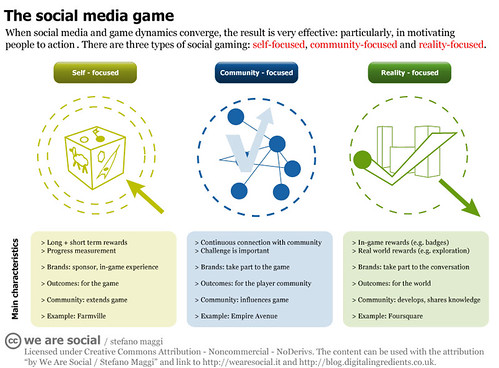
- Subscription Models: Monthly subscriptions offer access to a library of games, providing value for players while ensuring steady revenue for developers.
- Cosmetic Microtransactions: Many games opt for cosmetic items that do not affect gameplay, allowing players to personalize their experience without feeling pressured to spend.
- Season Passes: Expanding on the battle pass model, developers are creating seasonal content that keeps players engaged and invested.
The Future of Game Development
As we look ahead, the integration of these technologies promises to redefine gaming in ways we’re only beginning to understand. The collaboration between developers and players is set to flourish, as the gaming community continues to influence the direction of the industry. Staying adaptable and open to new ideas will ensure that game development not only keeps pace with technology but leads innovation into exciting new territories.
Conclusion
The game development landscape in 2026 is a dynamic and exciting space, characterized by technological advancements that enhance player experiences. As we embrace these changes, both developers and players will benefit from a more interconnected and immersive gaming world. The future is bright, and the possibilities are endless.