The Social Fabric of Gaming: How Multiplayer Experiences Shape Community in 2026
The Evolution of Multiplayer Gaming
As we move through 2026, the landscape of multiplayer gaming has become richer and more complex than ever before. With advancements in technology and a deeper understanding of player psychology, developers are crafting experiences that not only entertain but also foster genuine connections among players.
The Role of Multiplayer Experiences
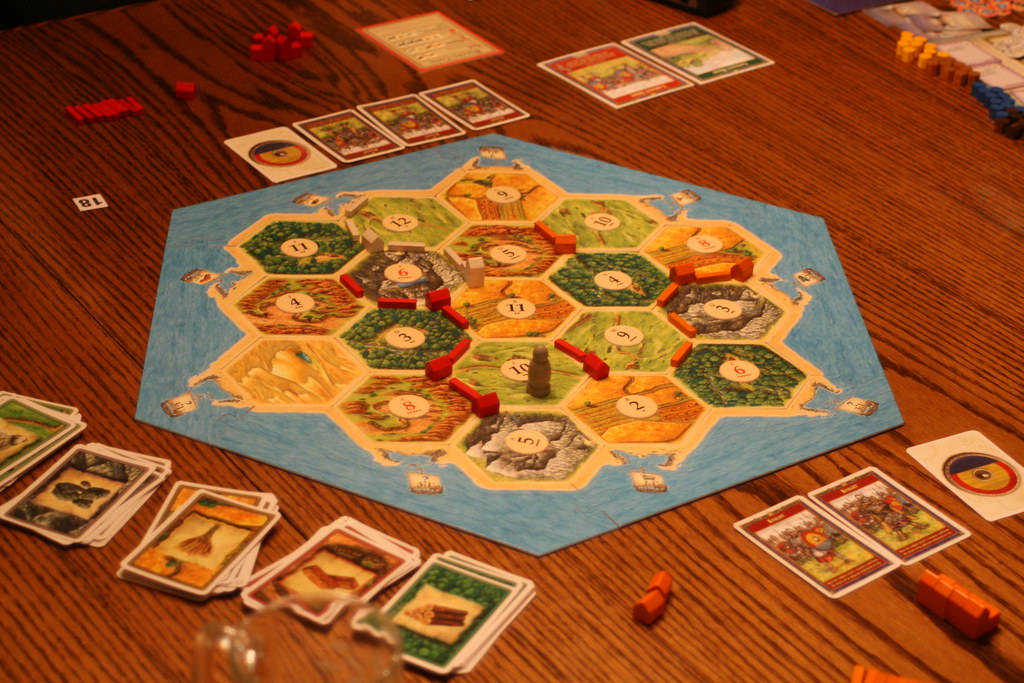
Multiplayer gaming has always been a major component of the gaming world. From local co-op to vast online universes, the ability to interact with others enhances the gaming experience. In 2026, we see a significant shift toward games that prioritize social interaction, creating communities that extend beyond the digital realm.
Key Trends in Multiplayer Gaming
- Cross-Platform Play: The boundaries between platforms continue to blur, allowing players on different systems to connect and cooperate. This inclusivity is vital in creating robust gaming communities.
- Asynchronous Multiplayer: Games that allow players to engage at their own pace are gaining popularity. This format accommodates various schedules, making it easier for friends to play together despite time zone differences.
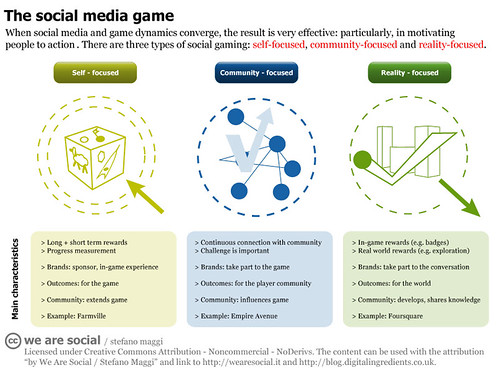
- Community-Centric Features: Games are increasingly incorporating features that encourage cooperation and bonding, such as in-game events, shared goals, and player-driven economies.
The Psychological Impact of Multiplayer Gaming
Research has shown that multiplayer gaming can significantly affect player well-being. Engaging with others can combat loneliness, reduce stress, and even improve social skills. Let’s explore how these games provide benefits beyond mere entertainment:
- Building Friendships: Multiplayer games create natural environments for friendships to blossom. Players meet like-minded individuals, forming bonds that often extend into real life.
- Enhanced Communication Skills: Many multiplayer games require players to strategize and communicate effectively. This collaboration not only builds in-game skills but can also translate to improved interpersonal skills outside the game.
- A Sense of Belonging: Being part of a gaming community fosters a sense of belonging. Players feel connected to others who share their interests and experiences, reinforcing their identity within the community.
Events and Tournaments: Bringing Players Together
One of the most exciting aspects of multiplayer gaming in 2026 is the rise of community-driven events and tournaments. These gatherings, whether online or in-person, celebrate the spirit of competition and camaraderie:
- Online Tournaments: Platforms now host extensive online tournaments that bring together players from across the globe. These events not only showcase talent but also unite participants under a shared passion.
- Diversified Events: Developers are hosting themed events that encourage participation from all skill levels, ensuring that everyone can be part of the action, regardless of their gaming experience.
- Local Meetups: Games often inspire local communities to organize meetups where players can connect face-to-face, share experiences, and engage in friendly competition.
Challenges and Opportunities
Despite the positive aspects of multiplayer gaming, developers and players must navigate some challenges:
- Toxicity in Gaming: While many communities are welcoming, some players experience toxicity. Developers are actively taking steps to combat this issue through better moderation and encouraging positive behavior.
- Balancing Competitive Play: Striking a balance between competitive and casual play is essential. Ensuring that both types of players feel valued fosters a more inclusive environment.
- Privacy Concerns: With the rise of social gaming, privacy remains a critical issue. Developers are tasked with protecting players’ personal information while still encouraging connectivity.
The Future of Multiplayer Gaming
The future of multiplayer gaming looks bright as developers innovate and adapt to the needs of players. In 2026, we can anticipate even more enhanced social mechanics and community-driven gameplay:
- Immersive Technologies: As AR and VR technologies evolve, we can expect even more immersive multiplayer experiences that bring players together in unique ways.
- Player-Driven Content: Games are increasingly allowing players to create content within the game, fostering a sense of ownership which enhances community engagement.
- Focus on Mental Health: Developers are becoming more aware of the mental health implications of gaming, working to create environments that promote positive social interactions and support.
Conclusion
As we navigate the world of gaming in 2026, the emphasis on multiplayer experiences stands out. These interactions not only elevate gameplay but also foster meaningful connections among players. The continued evolution of multiplayer gaming promises a more integrated and engaging community, where players can share their passion while building friendships that last a lifetime. Whether through tournaments, in-game events, or local meetups, the social fabric of gaming is stronger than ever.