The Influence of Game Mechanics on Player Engagement in 2026
Understanding Game Mechanics and Their Importance
In 2026, as the gaming industry continues to push creative boundaries, the role of game mechanics has become a focal point for developers aiming to enhance player engagement. Game mechanics, the rules and systems that facilitate gameplay, are pivotal not only in shaping the player’s experience but also in determining the success of a game.

What Are Game Mechanics?
Game mechanics can be viewed as the building blocks of any game. They define how players interact with the game world and each other. These mechanics range from simple action-based controls to complex systems that involve strategy and intricate decision-making processes. By understanding the various types of game mechanics, developers can create more engaging and enjoyable gaming experiences.
Types of Game Mechanics
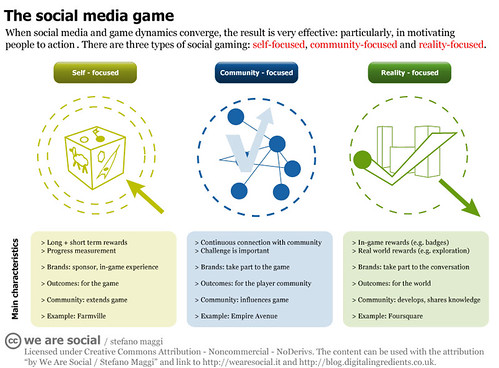
- Progression Mechanics: These involve the ways players advance through a game, such as leveling up, gaining experience points, or unlocking new abilities and content.
- Reward Systems: Reward mechanics, including loot boxes, achievements, and in-game currencies, motivate players to continue engaging with the game.
- Challenges: Incorporating challenges such as puzzles, combat encounters, and time-based tasks can enhance immersion and provide a sense of accomplishment.
- Social Mechanics: Multiplayer features and cooperative game elements foster community and interaction among players, enhancing the overall experience.
- Resource Management: Games that involve collecting and managing resources keep players invested as they strategize their moves and build their influence within the game.
The Role of Game Mechanics in Player Engagement
Effective game mechanics are key to retaining players and ensuring they remain invested in the game. Here’s how they contribute to player engagement in 2026:
1. Creating a Sense of Achievement
Players are driven by the need for achievement. Mechanics that allow for clear goals—such as completing quests or defeating adversaries—instill a sense of accomplishment. By implementing a well-structured progression system, developers can encourage players to set objectives and feel rewarded once they achieve them.
2. Encouraging Replayability
Mechanics that introduce variability, such as randomized loot drops or multiple endings based on player choices, enhance replayability. This encourages gamers to return to the game to explore different outcomes or strategies, significantly increasing the game’s lifespan.
3. Fostering Social Interaction
Many modern games emphasize social mechanics that connect players and communities. Features such as team-based challenges or competitive leaderboards encourage player interaction, which can significantly increase engagement and lead to a loyal player base.
4. Enhancing Immersion through Narrative Integration
Game mechanics can seamlessly intertwine with storytelling to create immersive experiences. When players feel that their decisions affect the narrative outcome, they are more likely to become emotionally invested in the game.
Innovative Game Mechanics Gaining Popularity in 2026
As we move through 2026, certain innovative mechanics are emerging, reshaping how players interact with games.
1. Adaptive Difficulty Systems
Adaptive difficulty adjusts game challenges based on the player’s skill level. This ensures that all players can enjoy the game regardless of their experience, creating a more inclusive environment.
2. Augmented Reality (AR) Mechanics
With the rise of augmented reality applications in gaming, mechanics that incorporate real-world elements are becoming increasingly popular. Games that blend physical and digital experiences enhance player engagement and offer unique gameplay.
3. Cross-Platform Play
Cross-platform mechanics allow gamers across different devices to play together. This inclusivity not only broadens the player base but also strengthens communities as friends can connect regardless of their gaming platform.
4. Environmental Interaction
Games that allow extensive interaction with the game environment provide players with a sense of agency and creativity. Whether it’s building structures or altering landscapes, these mechanics can lead to richer gameplay.
Conclusion: The Future of Game Mechanics
As gaming technology evolves, so will the mechanics that underpin these experiences. Developers must remain innovative, experimenting with new ideas and refining existing systems to keep pace with player expectations. The focus on player engagement through effective game mechanics is likely to redefine what makes a game successful in 2026 and beyond. Understanding and implementing these mechanics effectively will not only enhance player experiences but also foster a thriving gaming community.