The Future of Game Marketing: Strategies for Success in 2026
The Changing Landscape of Game Marketing
As we venture into 2026, the realm of game marketing is evolving rapidly, driven by technological advancements and shifts in consumer behavior. With the rise of new platforms and changing demographics, marketers must adapt their strategies to connect with a diverse audience more effectively than ever before.

Understanding the New Player Demographics
The gaming community is not what it used to be. Today’s gamers come from varied backgrounds, ages, and interests. To effectively market a game, it is crucial to understand these player demographics:
- Younger Audiences: The Gen Z and Gen Alpha gamers are highly tech-savvy and prefer immersive, interactive content.
- Older Gamers: Millennials and Gen X are significant players who appreciate nostalgia while seeking new experiences.
- Diverse Interests: Players are drawn to games that intersect with their other interests, including health, wellness, and social issues.
Innovative Marketing Strategies for 2026
To tap into this diverse audience, game marketers must employ innovative strategies that resonate with modern gamers. Here are some effective approaches to consider:
1. Leveraging Influencer Marketing
Influencer marketing has become a powerful tool in the gaming industry. Collaborating with popular streamers and content creators can help build credibility and reach target audiences effectively. As of 2026, brands are focusing on micro and nano influencers who boast highly engaged followers.
2. Personalized Experiences
Utilizing data analytics allows marketers to create personalized experiences for gamers. Tailoring content based on player preferences can significantly enhance engagement and conversion rates. This includes personalized emails, targeted ads, and customized gameplay experiences.
3. Interactive Content and Gamification
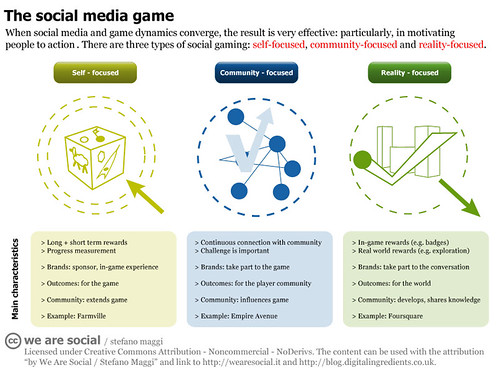
Interactive marketing campaigns that incorporate gamification elements can drive engagement. From quizzes and challenges to augmented reality experiences, creating fun and engaging content can attract potential players and retain their interest.
4. Community Building and Engagement
Building a loyal community around a game is essential. Engaging with players through social media, forums, and in-game events strengthens brand loyalty. Marketers are now focusing on fostering genuine connections and creating spaces for players to share their experiences and feedback.
5. Sustainability and Ethical Marketing
As more players become environmentally conscious, brands that address sustainability in their marketing strategies stand out. Highlighting eco-friendly practices or socially responsible initiatives can attract a more ethical audience.
The Role of Technology in Game Marketing
Technological advancements are at the forefront of changing how games are marketed. Here are some key areas where technology plays a crucial role:
1. AI and Machine Learning
Artificial intelligence is revolutionizing game marketing. AI tools can analyze player behavior, preferences, and engagement patterns, allowing marketers to make data-driven decisions and optimize campaigns in real-time.
2. AR and VR Experiences
Augmented Reality (AR) and Virtual Reality (VR) are increasingly being used to create immersive marketing experiences. Brands are developing AR filters and VR environments where players can engage with the game in highly interactive ways.
3. Blockchain and Transparency
Blockchain technology is enhancing transparency in marketing practices. By leveraging this technology, brands can provide proof of ownership for in-game purchases, fostering trust among players and building brand loyalty.
Measuring Success: Key Performance Indicators (KPIs)
To evaluate the effectiveness of marketing strategies, it’s essential to track key performance indicators. Some KPIs to consider include:
- Engagement Rates: Analyze likes, shares, comments, and interactions on social media platforms.
- Conversion Rates: Measure how many players take action, such as downloading the game or making in-game purchases.
- Player Retention: Monitor how many players continue to engage with the game over time.
- Brand Sentiment: Gauge public perception of the brand through sentiment analysis tools.
Looking Ahead: The Future of Game Marketing
As we move further into 2026, game marketing will continue to adapt to the habits and preferences of players. By embracing innovative technologies, focusing on personalization, and fostering community engagement, brands can navigate the challenges of this dynamic landscape successfully.
Ultimately, the key to successful game marketing lies in understanding the player and creating genuine connections that resonate with their experiences and aspirations. The journey ahead is exciting, and those who embrace change will thrive in the vibrant world of gaming.