The Future of Game World Building: Crafting Immersive Environments in 2026
Introduction
As we delve into 2026, the landscape of game world building is more vibrant and intricate than ever. With technological advancements and innovative design philosophies, the creation of immersive environments is transforming how players engage with games. This article explores the current trends, tools, and techniques shaping the future of game world building.

The Importance of Immersive Environments
World building is crucial in creating engaging narratives and experiences in gaming. A well-crafted environment not only enhances gameplay but also fosters emotional connections between players and the worlds they inhabit. Here are some key reasons why immersive environments are vital:
- Player Engagement: A detailed and interactive world keeps players invested in the storyline.
- Exploration Opportunities: Vast, open worlds encourage players to discover hidden elements and lore.
- Emotional Resonance: Environments that evoke feelings can significantly heighten the gaming experience.
Current Trends in Game World Building
1. Procedural Generation
Procedural generation is increasingly popular among developers for creating expansive worlds without the need for extensive manual design. This technique allows for:
- Diverse Landscapes: Players can experience unique environments each time they play.
- Increased Replayability: The randomness in procedural design enhances the game’s longevity.
2. Interactive Environments
Gamers expect environments that respond to their actions. Features such as:
- Destructible Terrain: Allowing players to alter the environment adds a layer of strategy.
- Realistic NPC Interaction: Non-playable characters that react naturally to player actions enhance immersion.
3. Integration of Augmented Reality (AR)
AR technology is making strides in game design, providing an interactive layer over real-world settings. This allows for:
- Blended Realities: Players can interact with digital elements seamlessly integrated into their physical environment.
- Enhanced Storytelling: Overlaid narratives create a compelling experience that captivates players both in-game and in the real world.
Key Tools and Technologies
1. Game Engines
Modern game engines like Unreal Engine 5 and Unity are leading the charge by providing developers with robust tools to create stunning environments. Features to look out for include:
- High-Fidelity Graphics: Advanced rendering capabilities allow for lifelike visuals.
- Real-Time Editing: Developers can make changes on the fly, improving workflow efficiency.
2. Virtual Reality (VR) Development Kits
The rise of VR has prompted the creation of specialized development kits that cater to immersive world-building. These kits often include:
- 3D Modeling Tools: Simplifying the creation of intricate landscapes and structures.
- Spatial Audio Technologies: Enhancing the auditory experience, making environments feel alive.
3. Collaboration Tools
With the increasing complexity of game worlds, collaboration is key. Tools like Miro and Notion facilitate:
- Team Communication: Keeping everyone on the same page during development.
- Shared Resources: Allowing easy access to assets and design documents.
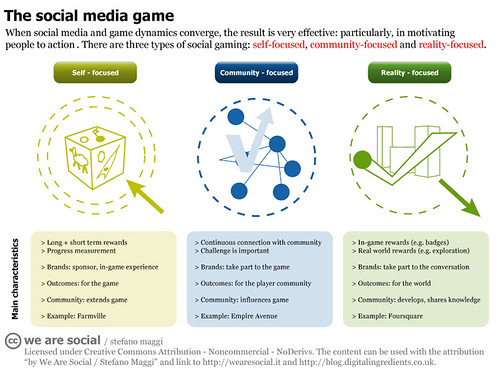
Building Communities Around Game Worlds
As players engage with these immersive environments, community building becomes essential. Game worlds offer a unique space for players to connect, share experiences, and collaborate. Some strategies include:
- Player-Created Content: Encouraging players to contribute their designs fosters a sense of ownership.
- Online Forums and Social Media: Platforms where players can discuss and share their adventures enhance community ties.
Challenges in Game World Building
Despite advancements, several challenges persist in the realm of game world building:
- Balancing Complexity and Accessibility: Developers must ensure environments are intricate while still being approachable for players.
- Performance Optimization: Ensuring that high-fidelity graphics do not hinder gameplay experience is crucial.
Conclusion
The future of game world building in 2026 promises to be a blend of creativity, technology, and community. As developers continue to push the boundaries of what is possible, players can expect to explore ever more captivating and immersive environments. The journey of crafting these worlds is ongoing, and as we look ahead, the potential for innovation remains limitless.