The Innovation of Game Monetization: Understanding Trends and Models in 2026
Introduction
As we step into 2026, the gaming industry continuously evolves, not just in terms of gameplay mechanics and graphics but also significantly in monetization strategies. The way games are funded, marketed, and sold has shifted dramatically, reflecting broader trends in consumer behavior and technology. This article delves into the latest trends in game monetization, exploring various models that are reshaping how developers and publishers approach their financial strategies.
The Traditional Monetization Models
Historically, the gaming industry has relied on traditional monetization models which include:
- Premium Purchases: Games are sold for a set price, often delivering a complete experience upon purchase.
- Subscriptions: Players pay a recurring fee to access a game or a suite of games, ensuring a steady revenue stream for developers.
- Pay-to-Win Mechanics: Players can purchase in-game advantages, often leading to controversy regarding fairness in gameplay.
While these models are still prevalent, many developers are starting to explore innovative alternatives to enhance revenue and engage players effectively.
The Shift to Free-to-Play Models
The free-to-play (F2P) model has gained remarkable traction over the past few years. In 2026, it accounts for a significant share of the gaming market. With this model, players can access the game at no initial cost, with revenue generated through in-game purchases. Key aspects of this model include:
- Microtransactions: Small purchases for cosmetic items, in-game currency, or other enhancements that don’t impact gameplay balance.
- Battle Passes: Time-limited options where players can earn rewards by completing challenges and progressing through tiers.
- Seasonal Content: Regular updates that offer new experiences and items, encouraging players to continue spending.
Emergence of Hybrid Models
In 2026, hybrid monetization models are becoming increasingly popular, combining elements from various strategies to create a more tailored approach. Some examples include:
- Freemium with Subscription: Players can enjoy a free base game but have the option to subscribe for premium content or features.
- Advertiser Support: Games may incorporate in-game advertising while still offering premium purchases, ensuring revenue from both players and advertisers.
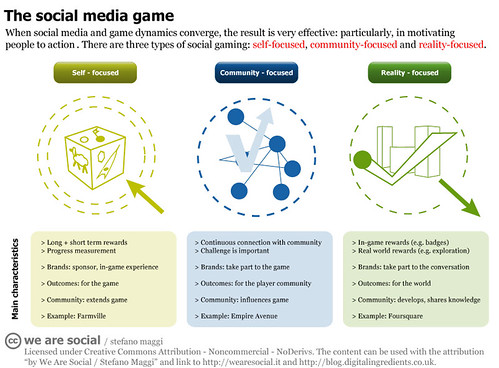
- Crowdfunding and Community Support: Developers use platforms like Patreon or Kickstarter to gain financial backing directly from the gaming community.
Impact of Technology on Monetization
Advancements in technology also play a critical role in the evolution of game monetization. In 2026, we are witnessing:
- Blockchain Technology: Some developers are exploring blockchain to create unique in-game assets that can be bought, sold, or traded, adding a layer of investment to gaming.
- AI-Driven Personalization: Developers are employing AI to analyze player behavior and tailor monetization strategies accordingly, enhancing user experience while optimizing revenue.
- Cloud Gaming: With the rise of cloud gaming platforms, players are now able to access high-quality games without needing expensive hardware, creating new opportunities for subscription-based models.
The Future of Game Monetization in 2026 and Beyond
As we look ahead, the landscape of game monetization will continue to evolve. Some expected trends for the future include:
- Increased Regulation: As monetization methods, especially F2P and loot boxes, come under scrutiny, regulations may shape future monetization practices to promote fairness and transparency.
- Community-Centric Models: Developers are likely to prioritize community feedback in shaping monetization strategies, ensuring that players feel valued and engaged.
- Sustainability Focus: With growing awareness around environmental issues, game companies may adopt sustainable practices and promote eco-friendly merchandise as part of their monetization strategies.
Conclusion
The monetization of games has transformed significantly as we enter 2026, moving beyond traditional models to innovative strategies that aim to align the interests of developers and players. Understanding these trends is crucial for stakeholders in the gaming industry, ensuring that they stay ahead in a fiercely competitive market. As we continue to embrace new technologies and consumer preferences, the future of game monetization promises to be as dynamic as the games themselves.