Harnessing the Power of Storytelling in Video Games: A 2026 Perspective
The Art of Storytelling in Video Games
In the ever-evolving world of gaming, storytelling has emerged as a crucial element that not only captivates players but also enriches their gaming experience. As we step into 2026, the methods and approaches to crafting narratives in video games have become more sophisticated, reflecting broader cultural trends and advancements in technology.

Why Storytelling Matters in Gaming
Storytelling in video games serves multiple purposes:
- Engagement: A compelling story keeps players invested in the game, encouraging them to explore the world and make emotional connections with characters.
- Immersion: Narrative depth can enhance the player’s sense of presence, making the game world feel more alive and relatable.
- Motivation: A well-structured narrative provides players with goals and context, motivating them to progress through challenges.
Current Trends in Game Storytelling
As we delve deeper into 2026, several key trends are shaping the way stories are told in video games:
- Diverse Narratives: There is an increasing focus on inclusivity and diversity in storytelling, with games showcasing characters from varied backgrounds and experiences. This shift not only reflects societal changes but also offers players a broader range of perspectives.
- Interactive Storytelling: Modern games are utilizing branching narratives that allow players to make choices affecting the story’s outcome. Titles like The Walking Dead and Detroit: Become Human have set the stage for more games to explore this format.
- Emotional Storytelling: Games like Life is Strange and Hades emphasize emotional engagement, leading players through journeys that invoke real feelings and connections, often blurring the lines between player and character.
Technology’s Influence on Narrative Design
The technological advancements of 2026 have drastically changed how stories are crafted and experienced:
- Enhanced Graphics and Sound: High-definition visuals and immersive soundscapes allow for a richer storytelling medium, where players can experience nuanced emotional cues and intricate details that add depth to the narrative.
- AI-Driven Narratives: Artificial intelligence is being integrated into narrative design, enabling more dynamic responses from non-player characters (NPCs). This innovation leads to a gameplay experience that feels more tailored and personalized, as NPCs react logically to players’ choices and actions.
- Virtual Reality (VR): With advancements in VR technology, players can step directly into the story, experiencing events from a first-person perspective. This intimacy can heighten emotional responses and make narratives feel more immediate and impactful.
The Role of Community in Storytelling
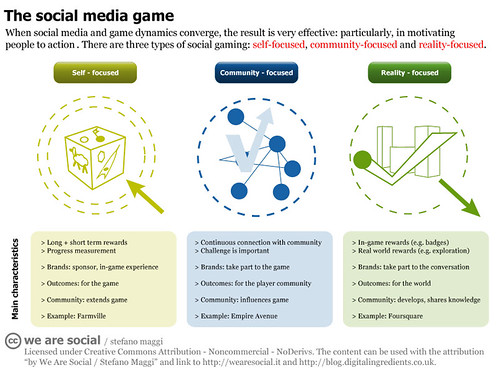
In 2026, player communities are becoming increasingly influential in shaping game narratives. Here’s how:
- Player Feedback: Game developers are actively seeking feedback from the gaming community, using it to refine plotlines, character arcs, and gameplay mechanics, ensuring the story resonates with its audience.
- Fan Creations: The rise of user-generated content allows players to contribute to the story. Mods, fan fiction, and community-driven narratives can significantly enhance the lore of popular games.
- Collaborative Storytelling: Some games are experimenting with models where players can write their own stories, creating a mosaic of interconnected narratives that can lead to entirely new gameplay experiences.
Future Prospects of Storytelling in Games
Looking ahead, the future of storytelling in video games seems promising with several emerging possibilities:
- Dramatic Improvements in AI: As AI technology continues to advance, we can expect even more interactive and responsive storytelling mechanics that adapt to how players engage with the game.
- Cross-Media Experiences: The integration of video games with other media forms (such as films and novels) will likely become more prevalent, creating transmedia narratives that engage players on multiple levels.
- Increased Focus on Ethical Narratives: As gamers become more socially conscious, there will be a growing demand for stories that tackle important social issues, allowing the gaming community to influence real-world conversations.
Conclusion
As we navigate through 2026, the art of storytelling in video games remains at the forefront, shaping not just the narratives we experience, but also how we connect with one another through shared stories. Embracing diversity, leveraging technology, and fostering community engagement are paving the way for a new era of gaming narratives, rich with possibility and insight.